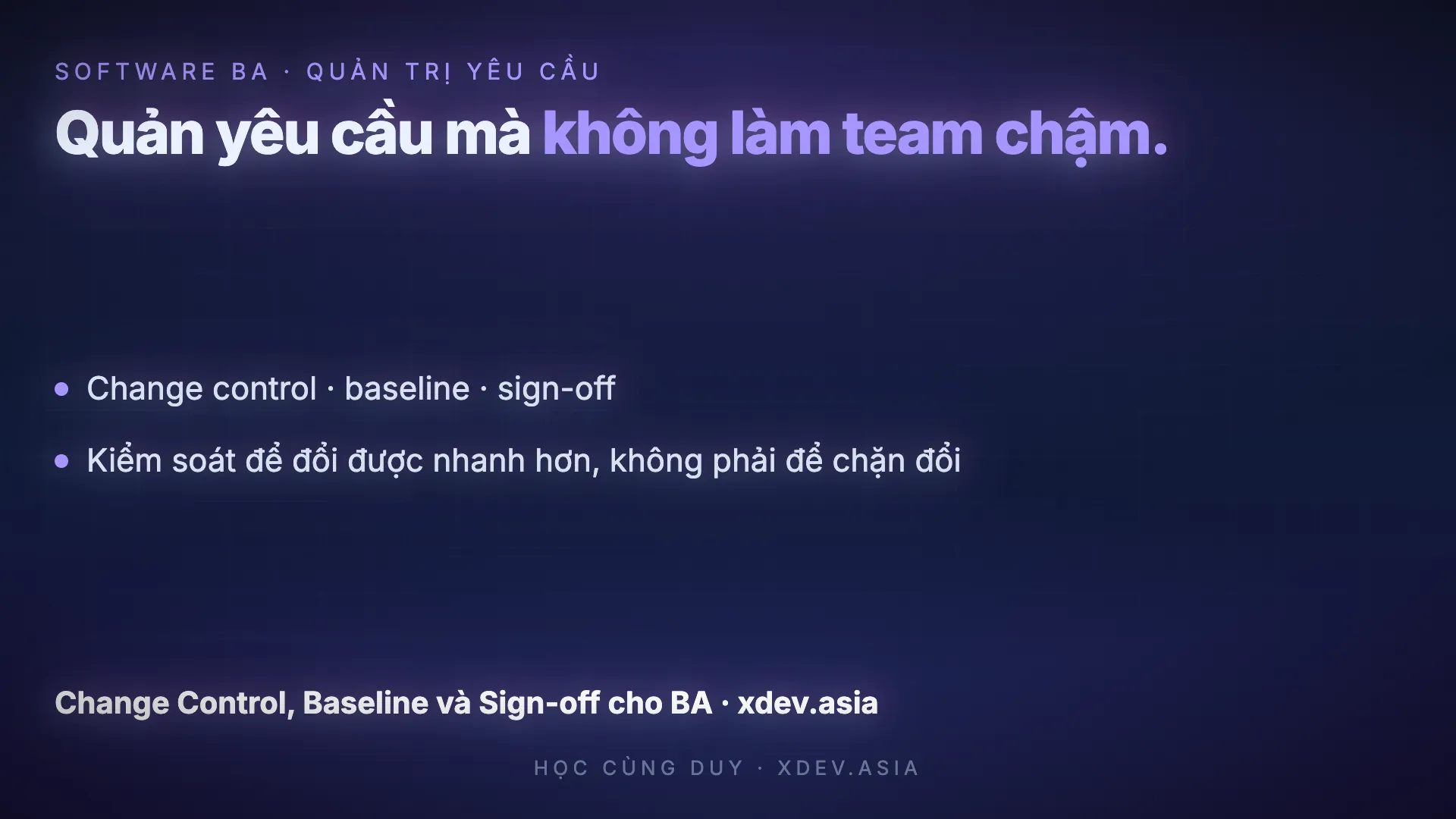
Requirement changes are normal, but uncontrolled changes will destroy the sprint, scope, testing and release. This article guides BAs in managing baselines, change requests, impact analysis, sign-off and traceability in both Agile environments and traditional projects.
Software BA does not need API code but needs to understand endpoint, payload, validation, error code, events, data lineage and contract. This article provides integration request templates, scheduling examples and checklists to help BA work better with Dev/Data/QA.
A good workshop is not a crowded meeting. This article guides BAs in preparing goals, agendas, questions, facilitation techniques, conflict resolution, and finalizing action items after the workshop.
BAs do not need to draw every type of diagram, but need to know when to use BPMN, activity diagram, sequence diagram, state diagram and domain model. This article shows how to choose a diagram, for example, set a schedule and a checklist to review the diagram before handoff.
UAT is not just about letting users test a few screens. This article guides BA to create a UAT plan, select scenarios, prepare test data, manage defects, training, rollout and decide to go/no-go.
Business rules are the part that is most likely to cause rework if the BA writes vaguely. This article guides how to classify rules, write atomic rules, use decision tables, for example approving loan applications and review checklists before putting them into SRS, user stories or test cases.
BA and QA are an important couple to turn requirements into test scenarios. This article explains how to coordinate with QA, classify severity/priority, triage defects, and manage regression scope before release.
BAs do not need to be a security engineer, but must know how to write requirements about authentication, authorization, audit log, data masking, consent, retention, PII/PHI/PCI and compliance to avoid missing the spec.
A good handoff helps Dev/QA understand the requirements correctly before the sprint starts. This article provides a handoff checklist, Three Amigos agenda, examples of converting acceptance criteria into test scenarios and how to manage open questions.
RTM helps BA trace from business objective to requirements, user stories, test cases and release. This article shows you how to create a minimalistic RTM that can be used in Agile, Waterfall, and compliance projects.
Functional requirements say what the system does, while NFR says how well the system does it. This article guides BAs to write measurable NFRs, quality attribute scenarios, edge cases and review checklists before the sprint.
BRD and SRS are two important artifacts but are often confused. This article explains the difference, template structure, full example for a scheduling feature and review checklist before handoff to Dev/QA.
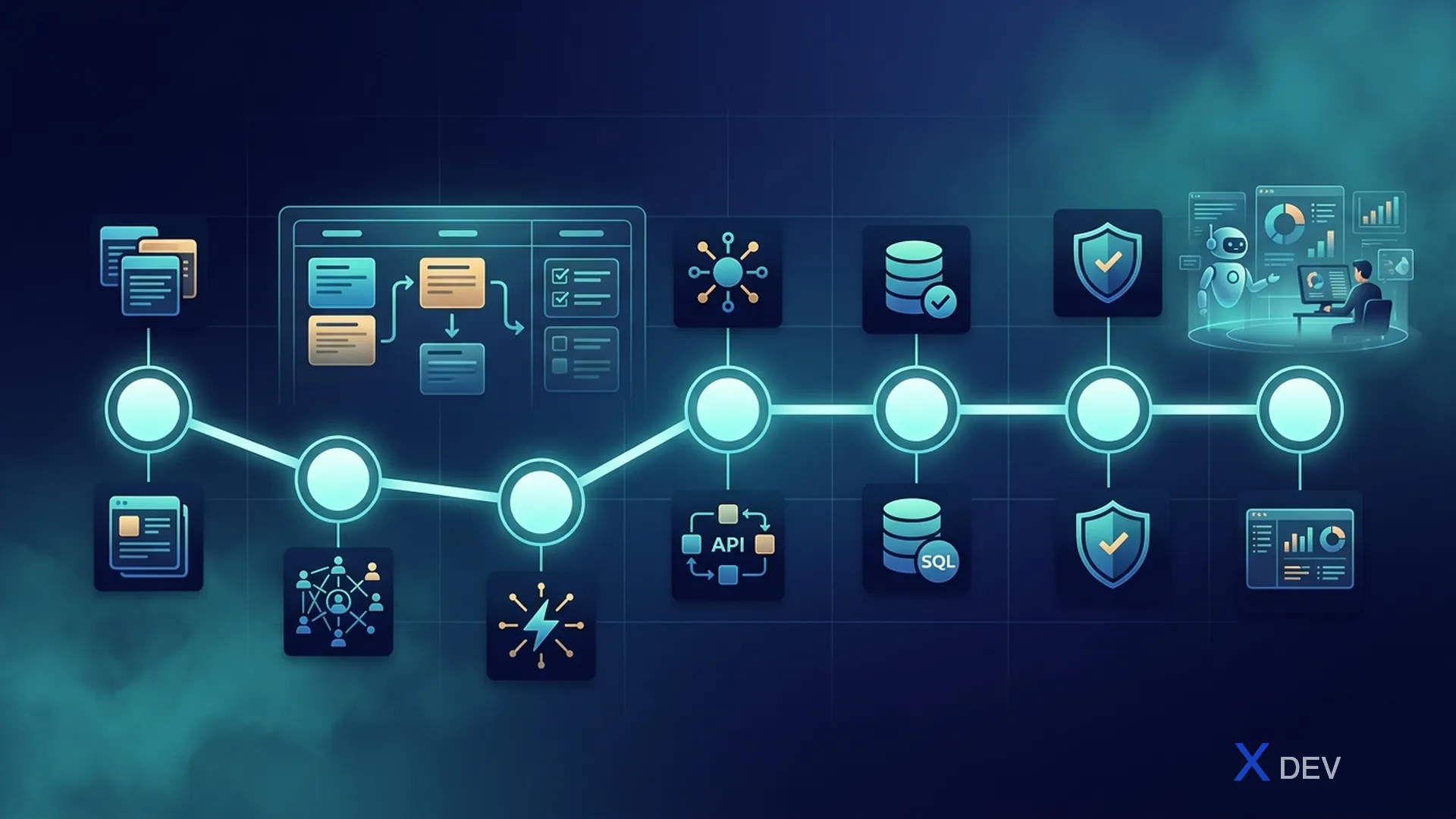
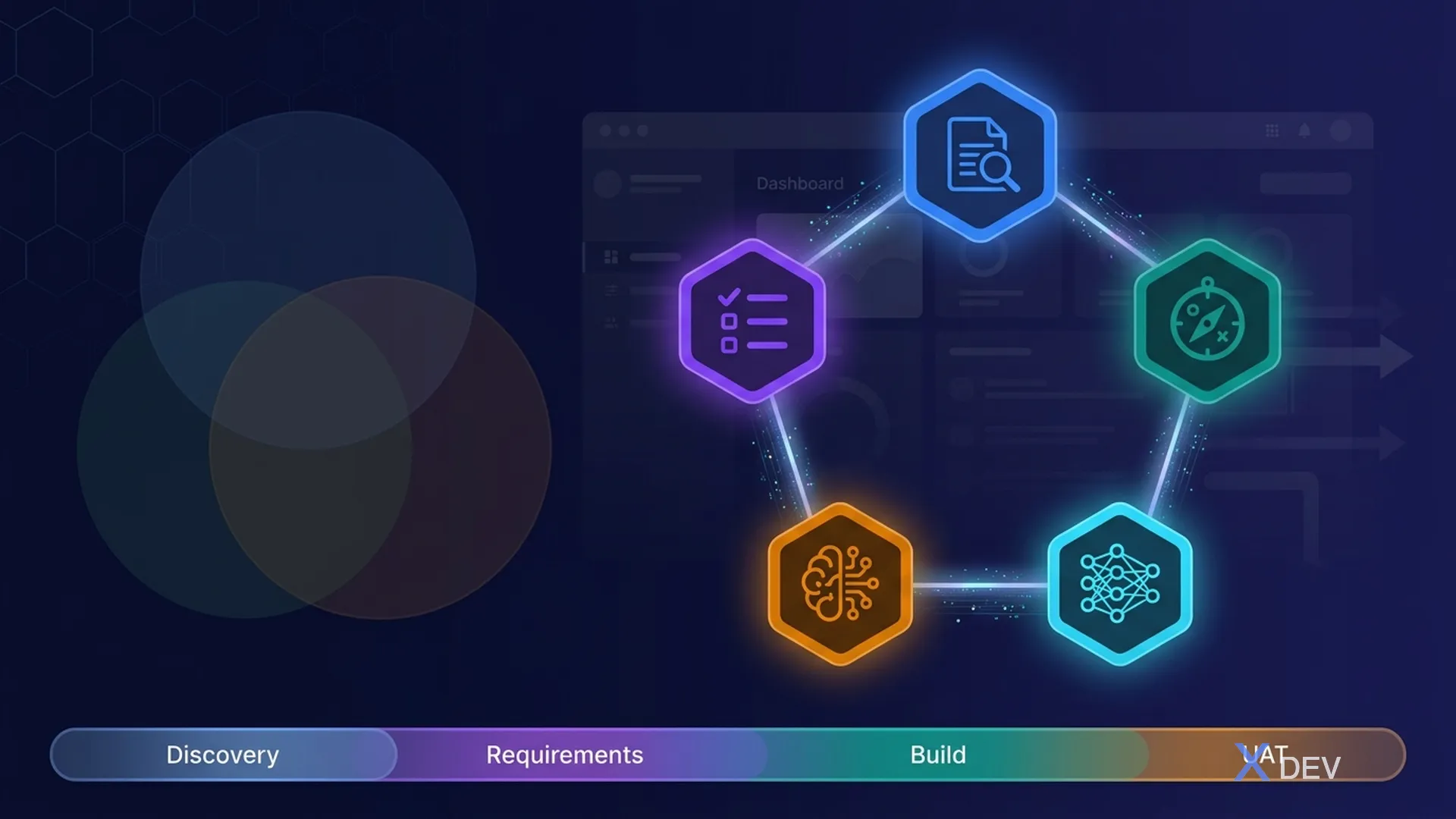
New BAs often learn BABOK, SDLC, Scrum, BRD, SRS, and user stories in pieces, so it's easy to get confused. This article maps the whole thing into a practical work flow from idea to release.
Business BA and Software BA have many intersections but are not the same. This article explains the role, artifacts, skills, daily work examples, and learning paths so you know which direction you need to take.
BAs need to persuade difficult stakeholders and pass competitive interviews. AI can act as a stakeholder simulator, mock interviewer, and devil's advocate for you 24/7. A guide to prompt templates, practice scenarios, and how to evaluate simulation quality for real improvement.
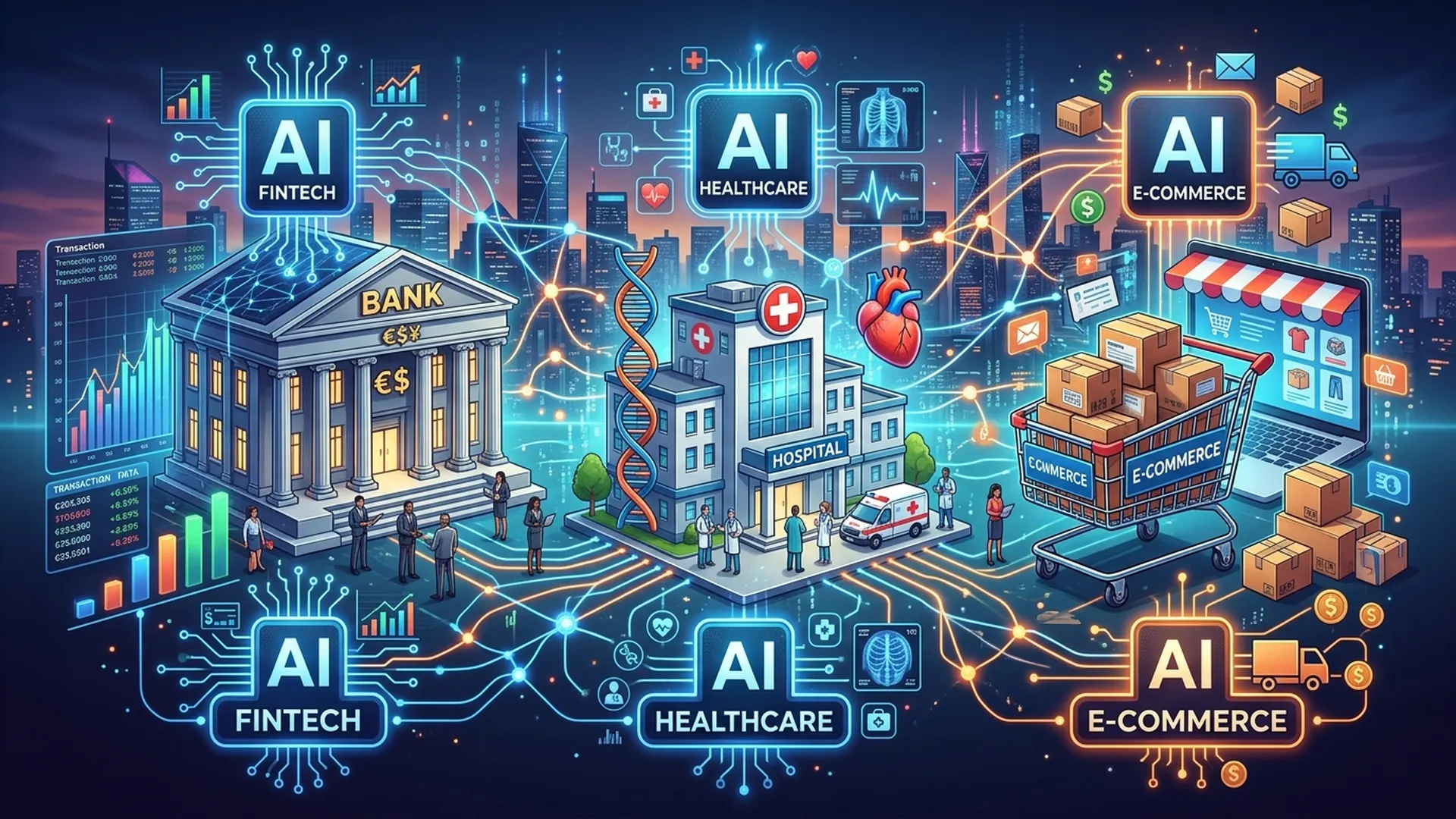
BAs working with AI in Fintech must understand AML/KYC regulations. BA in Healthcare needs to know HIPAA and clinical workflows. BA in eCommerce focuses on personalization and fraud. A guide to domain-specific skills, regulations, and AI use cases for each industry.
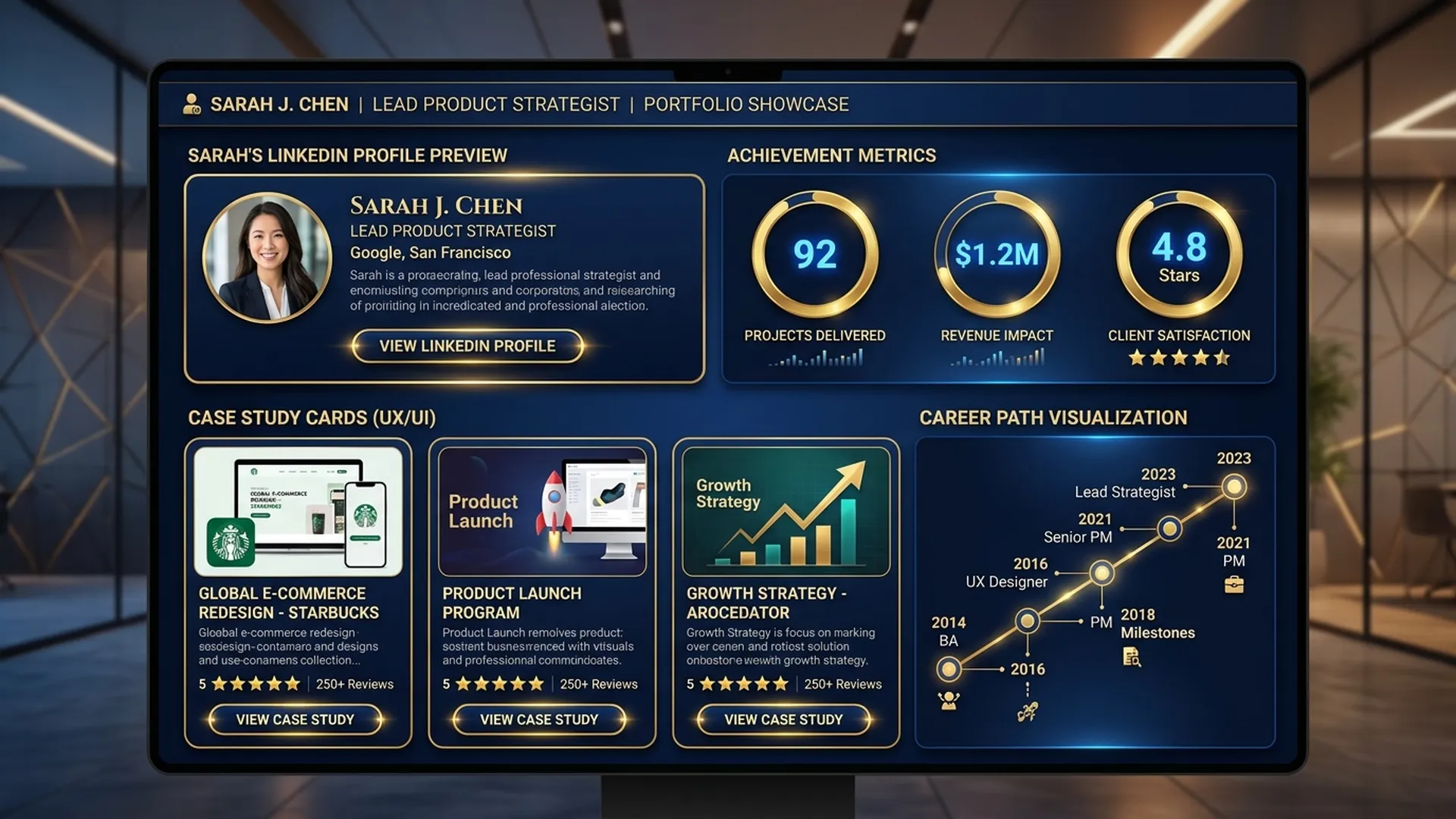
BAs aiming for Senior AI BA or transitioning to AI PM need a substantive portfolio — not just a list of tools. A guide to structuring AI project case studies, choosing which artifacts to showcase, and how to tell your story on LinkedIn and your CV.
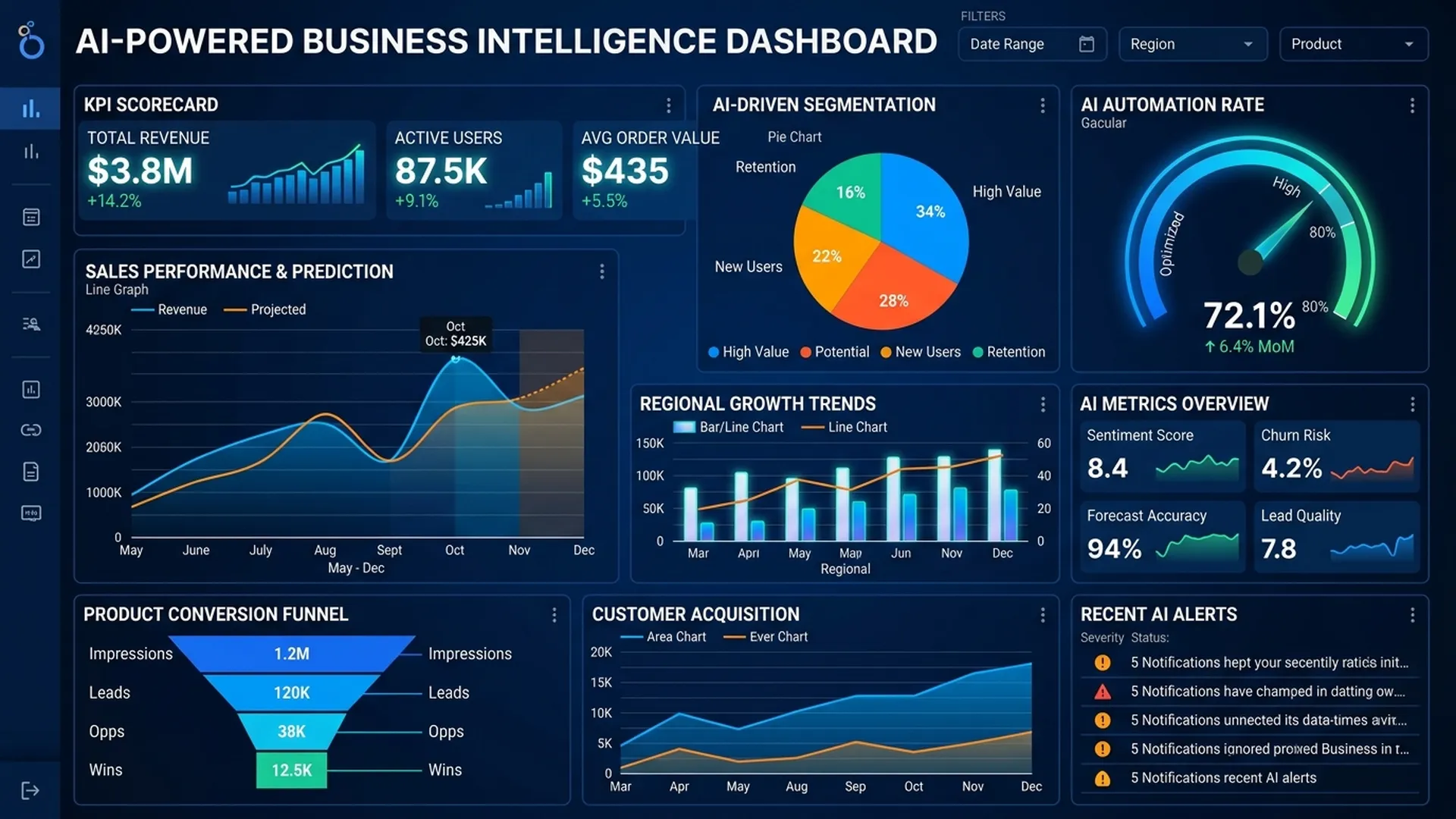
BAs need dashboards to prove AI features deliver value, monitor health after go-live, and report to stakeholders. A guide to building dashboards with Looker Studio, Power BI, and Metabase — focused on business metrics and AI quality metrics.
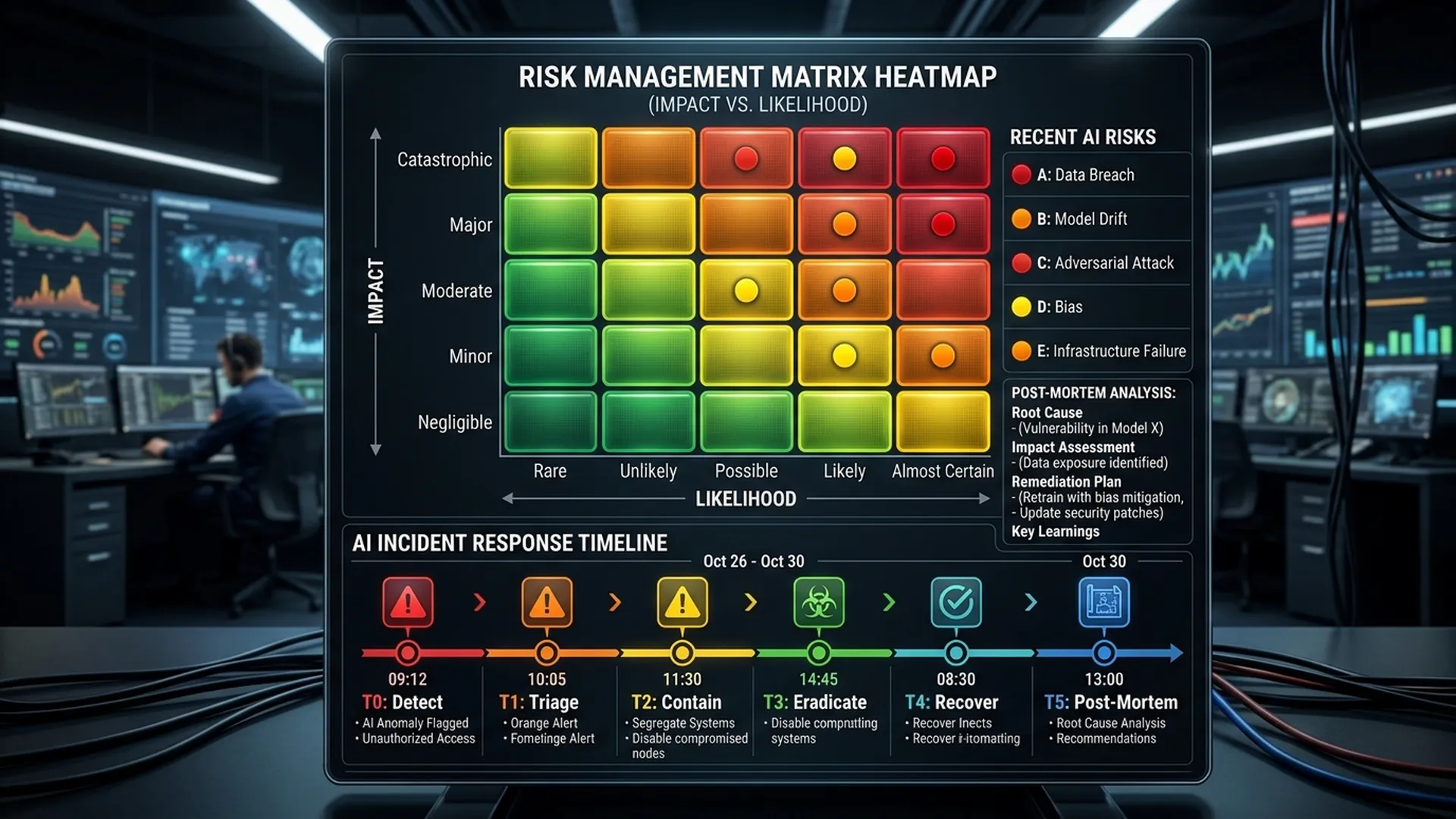
AI features have a completely different risk profile from regular features: model drift, data poisoning, hallucination cascades, and bias amplification. BAs need a proper Risk Register, an incident response plan, and a post-mortem template specifically designed for AI incidents.
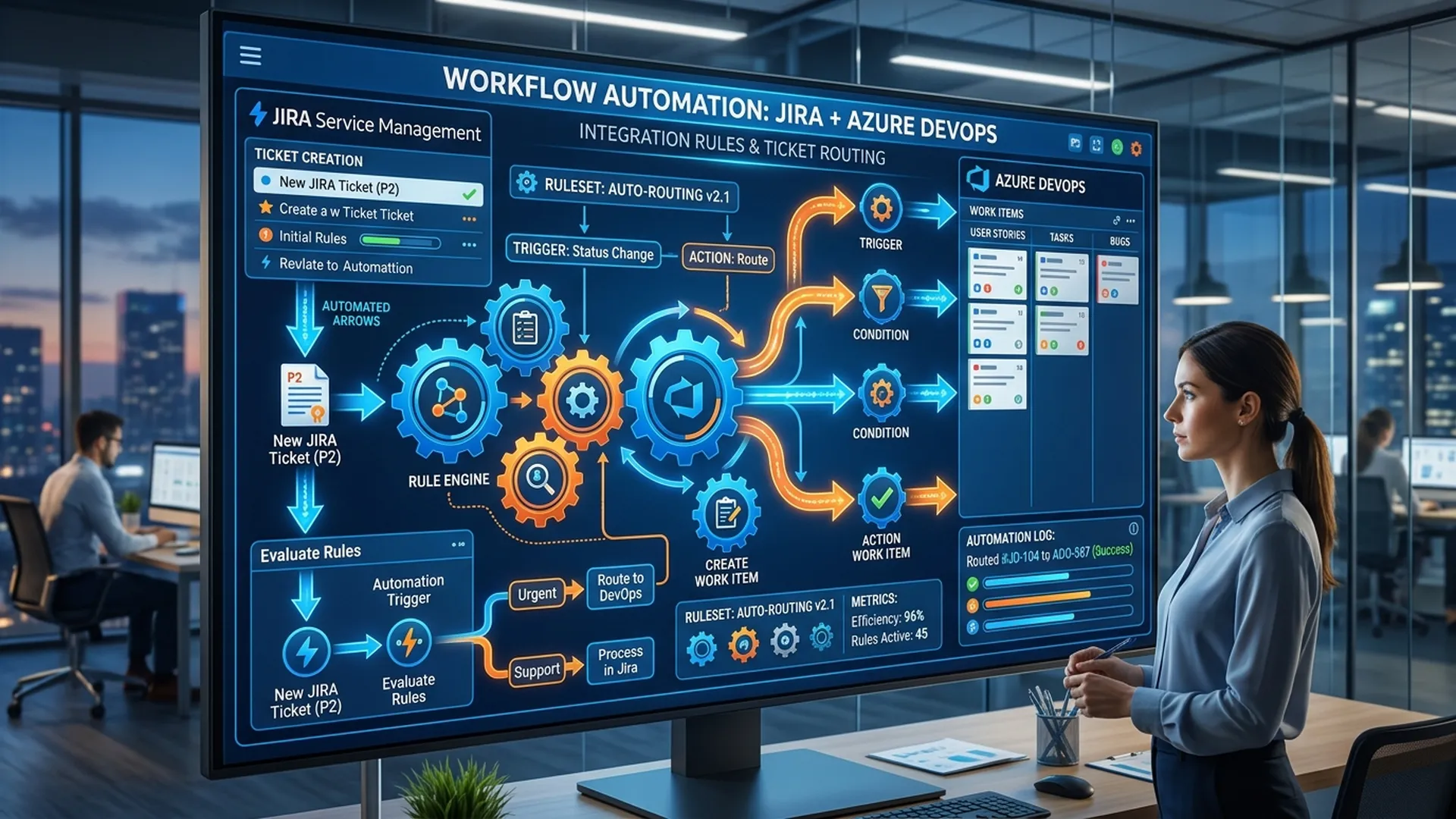
BAs spend too many hours updating tickets, creating sub-tasks, and manually following up on status. Jira Automation and Azure DevOps Rules can handle most of that. A practical guide to the most important automation rules for BA in AI projects.
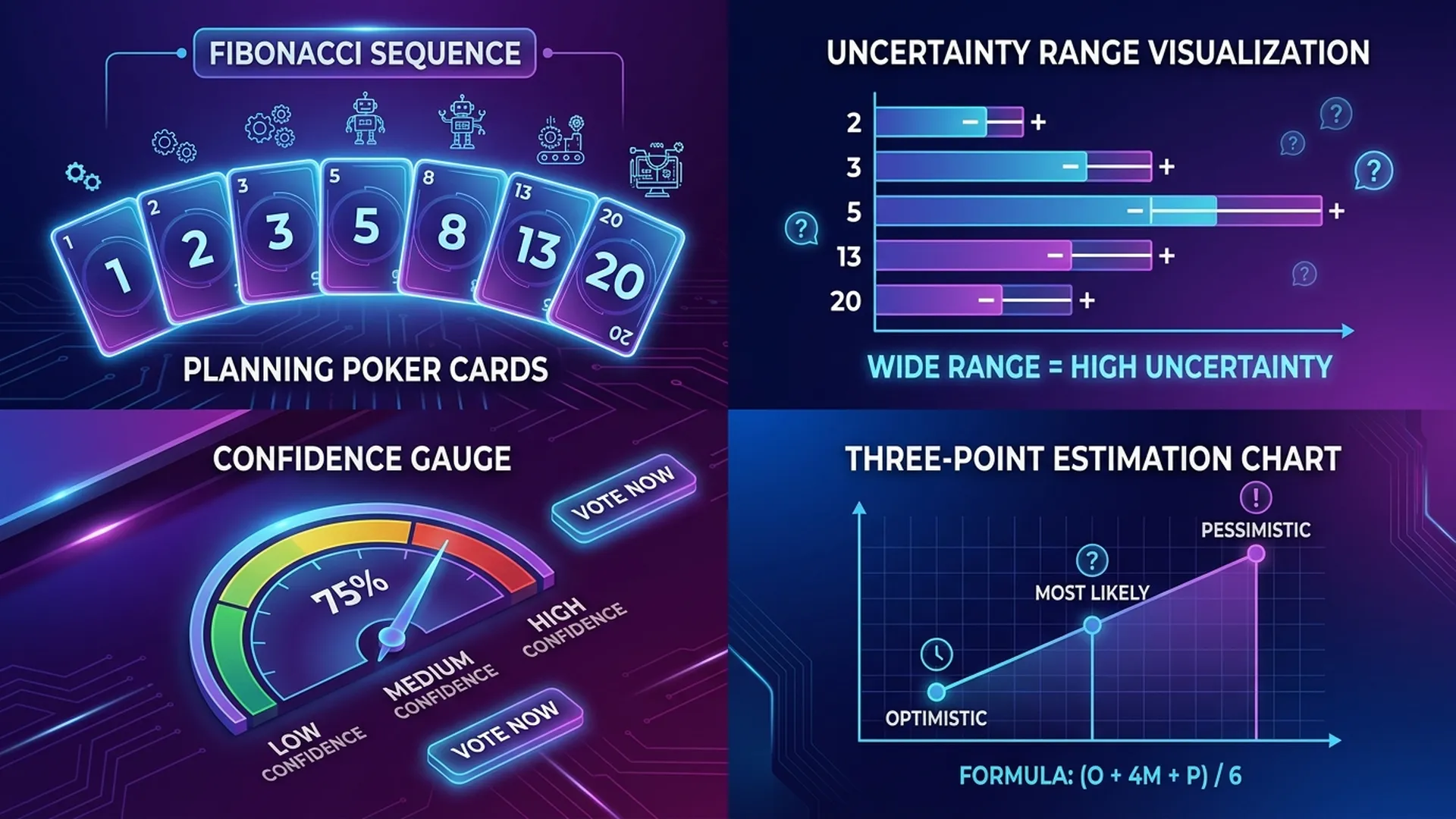
AI stories are harder to estimate than regular features because they depend on data readiness, model iterations, and experiment uncertainty. A guide to adapted Planning Poker for AI work, 3-point estimation, spike stories, and how to communicate uncertainty to stakeholders.
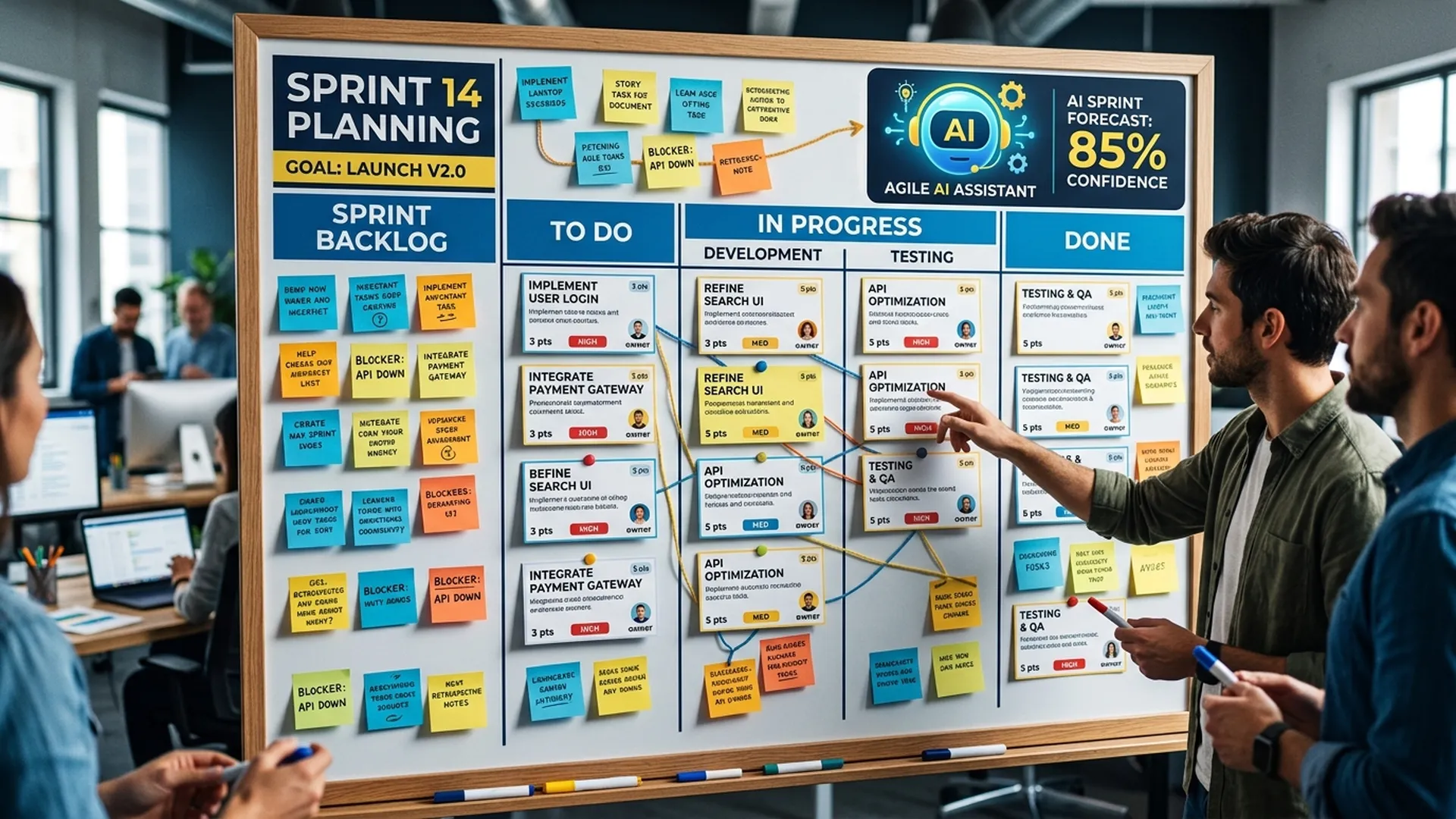
Backlog refinement consumes more BA hours than anything else — yet it's also where AI can help the most: duplicate detection, story splitting, AC suggestion, and dependency mapping. A practical guide to integrating AI into your refinement workflow without losing control.
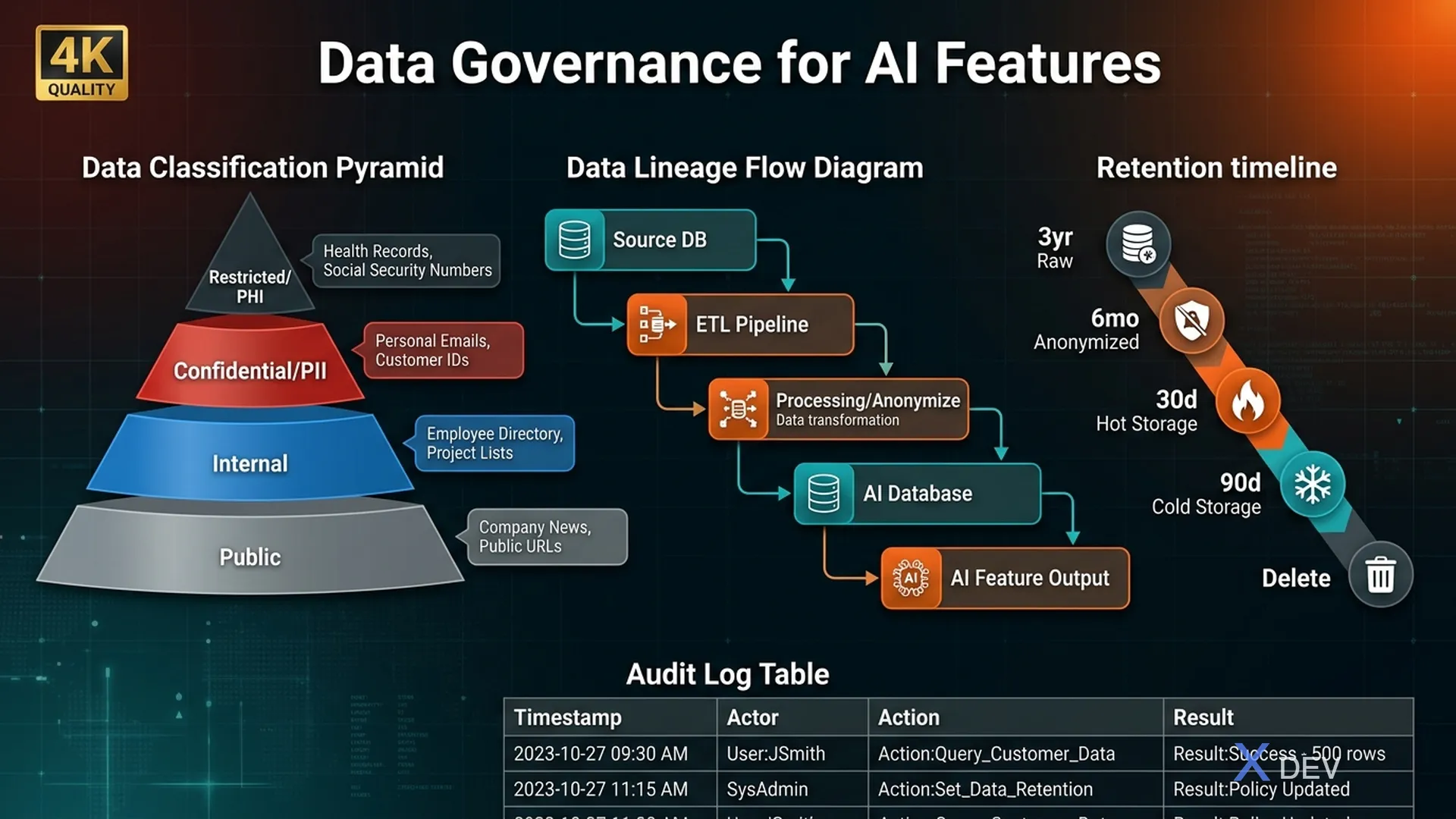
Data Governance isn't just "keeping data safe." For AI features, BA must set up data lineage (trace data from source), retention policy (how long to keep), PII classification (what's sensitive), and provenance tracking (who uses data, when). Step-by-step guide from policy to implementation checklist.
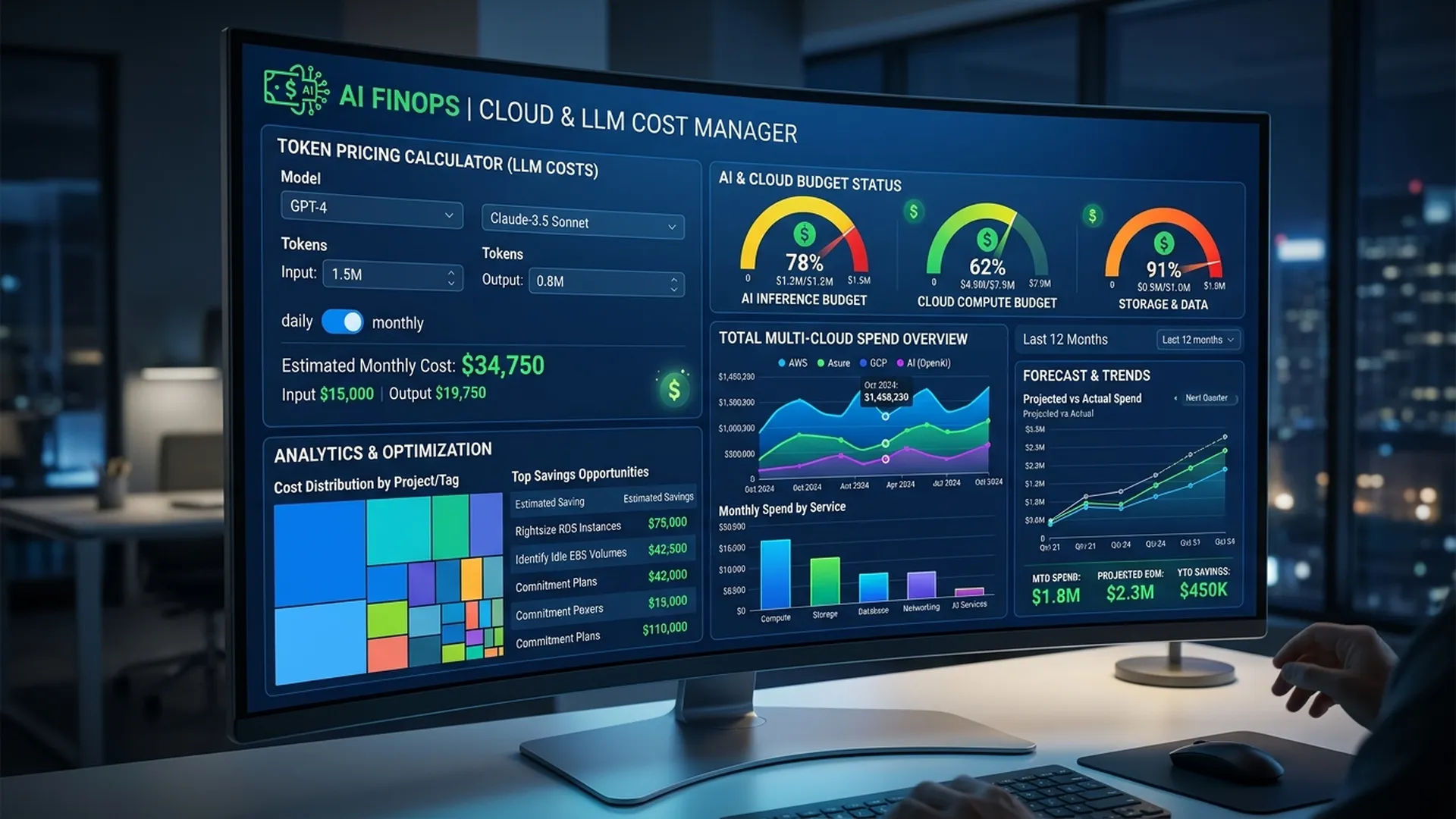
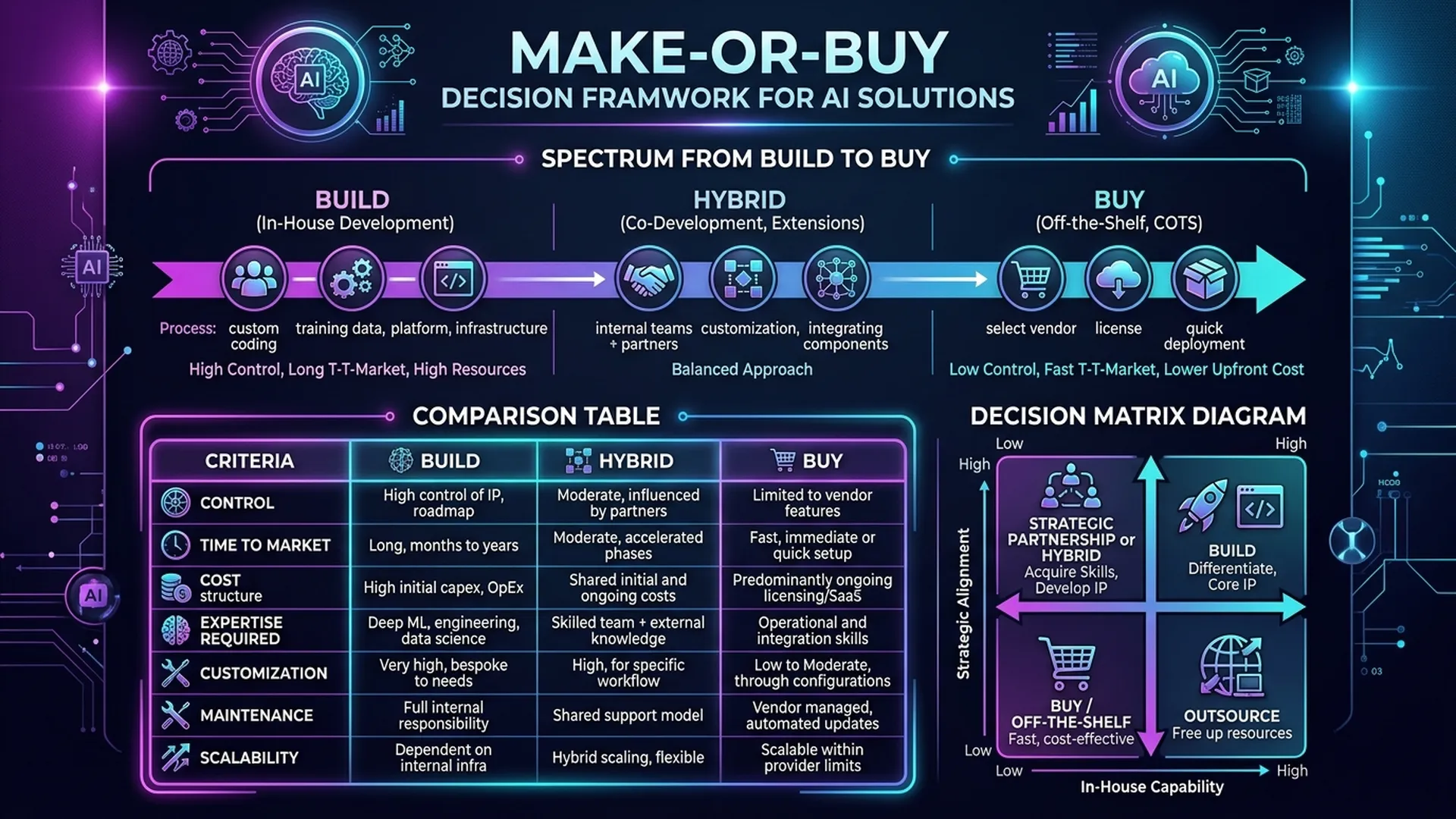
BA should understand AI costs well enough to estimate budgets, negotiate with stakeholders, and make make-or-buy decisions. This article explains token pricing, latency cost, cloud AI vs self-hosted options, and practical FinOps practices without requiring DevOps expertise.
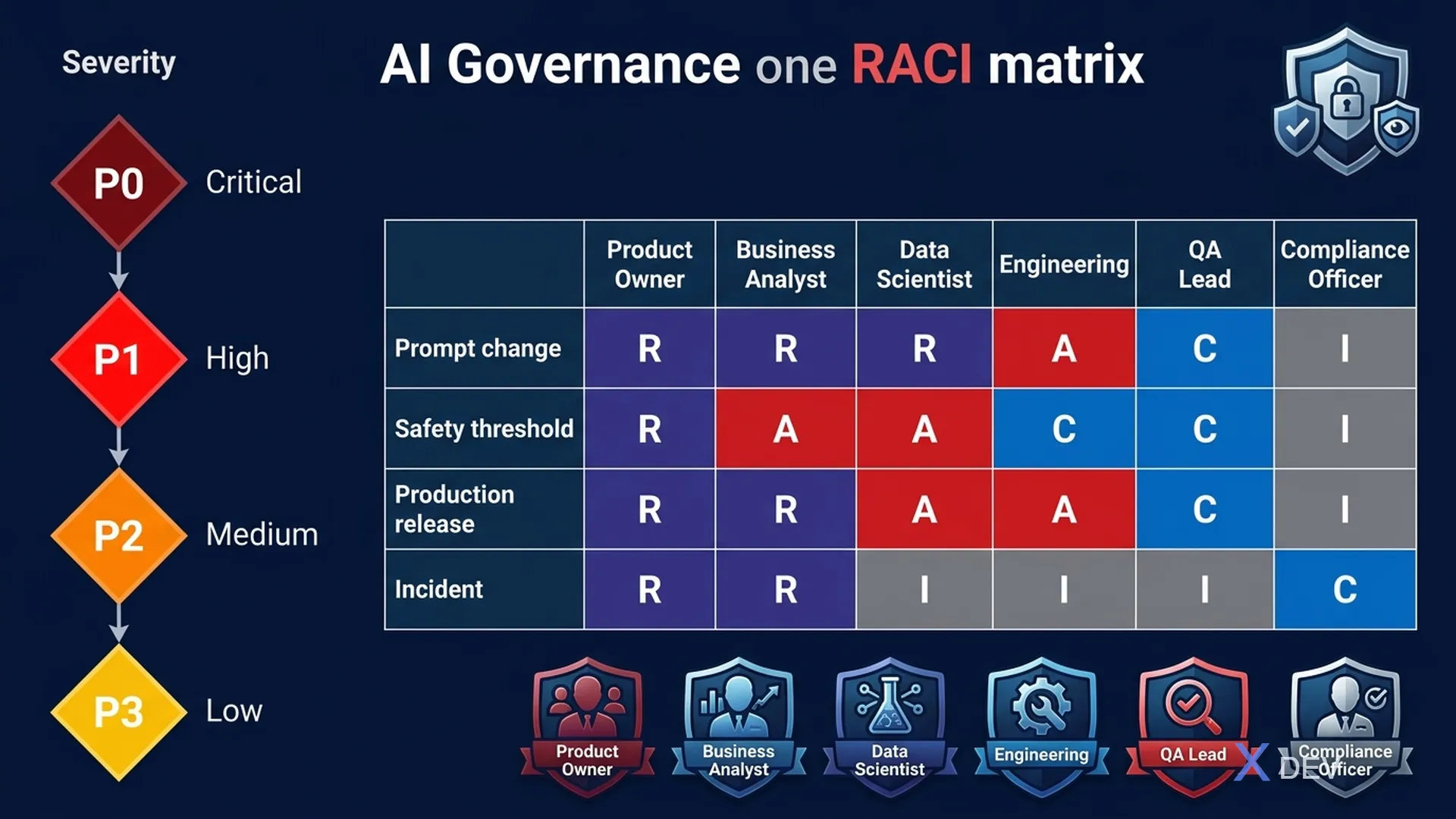
When AI produces wrong results, who is responsible? Who decides safety thresholds? When escalation is needed, who do we go through? RACI matrix helps BA clearly define roles, responsibilities, and decision rights for all AI-related actions — from prompt changes to production releases.
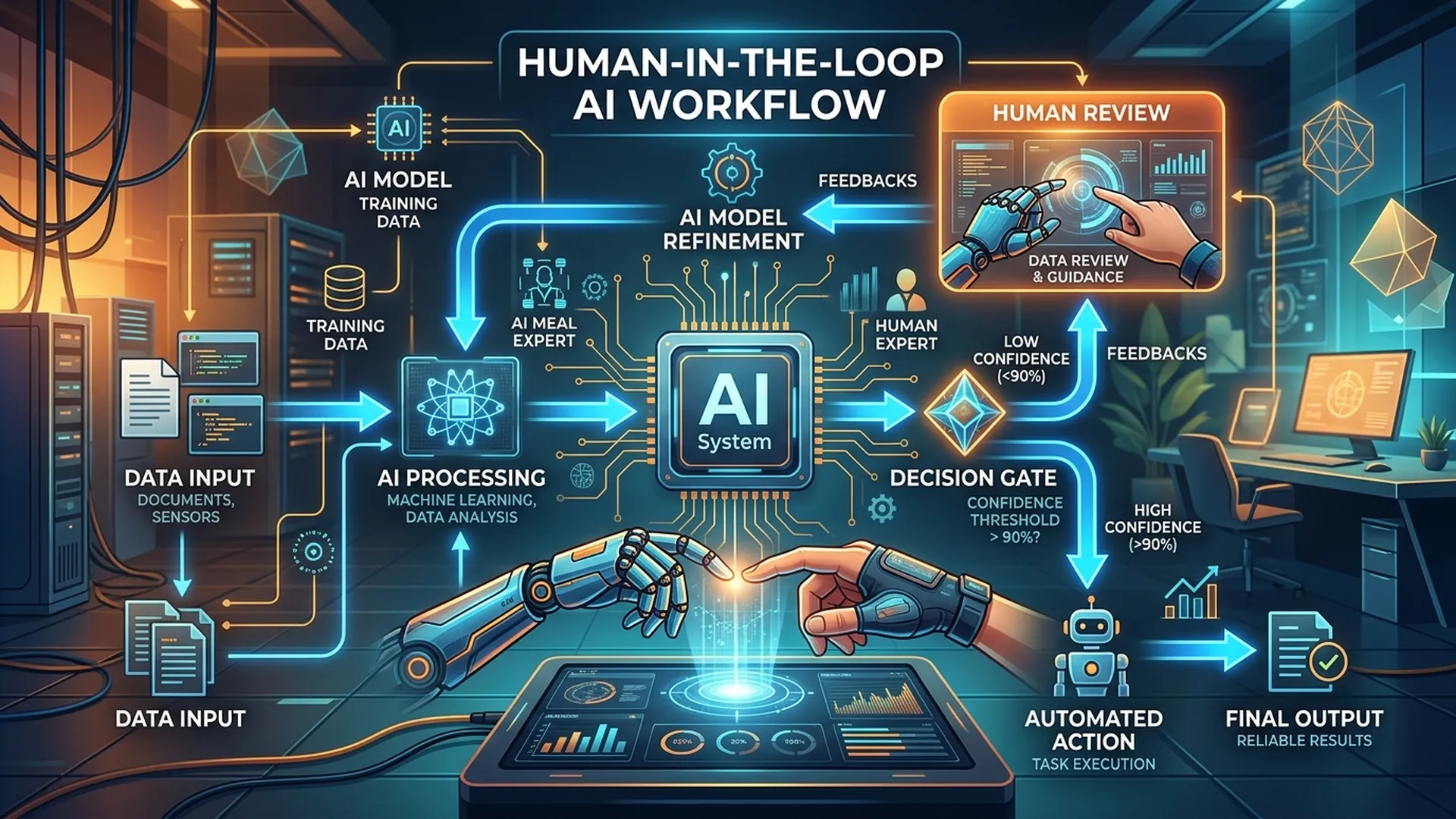
Human-in-the-loop is not just "adding a confirm button". BA must design escalation thresholds, routing rules, SLA for agent review, and feedback loops. A complete HITL design guide with decision matrix and escalation flow templates.
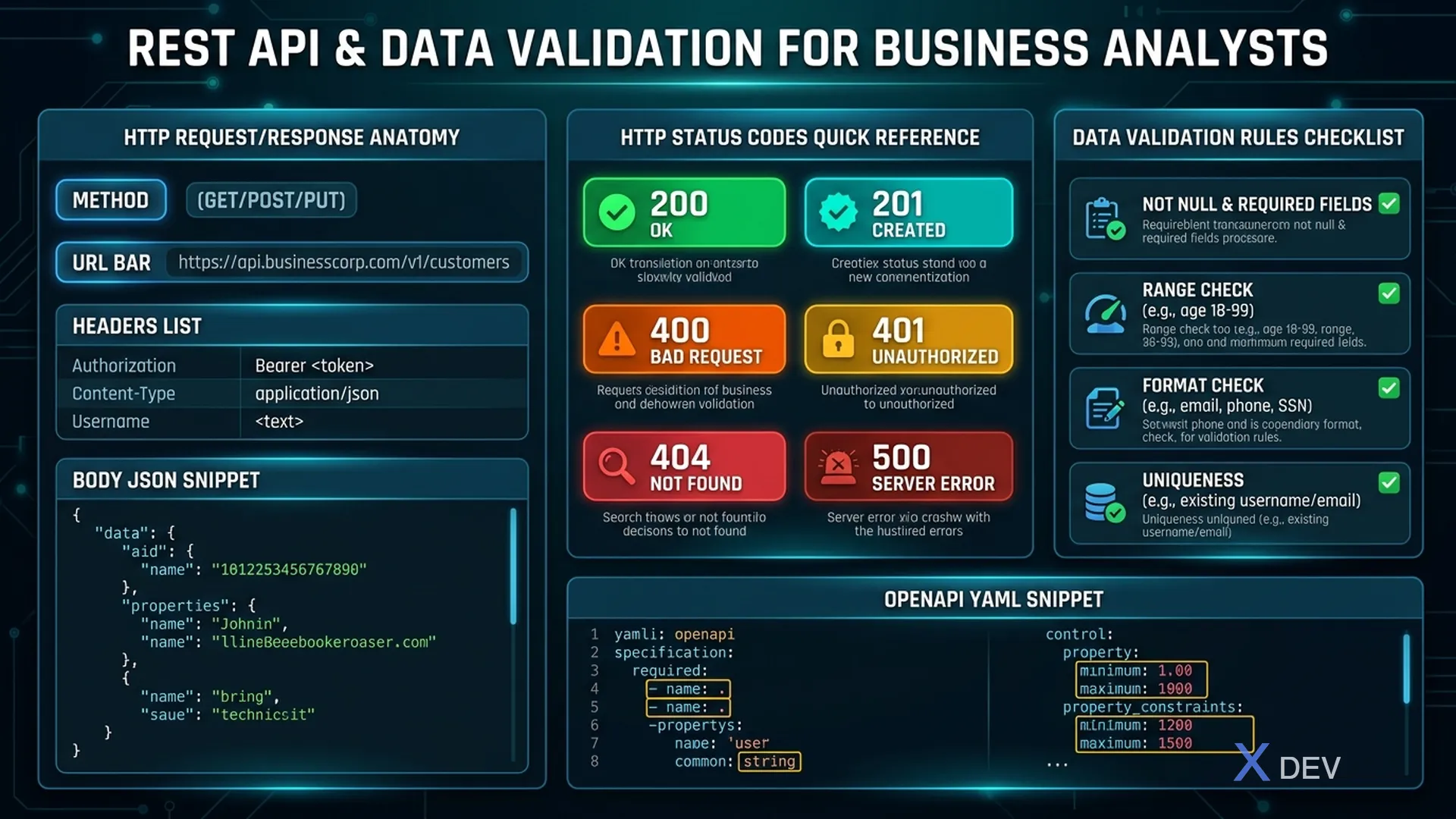
BA doesn't need to code APIs, but must understand request/response, error handling, data contracts, and validation rules. This guide helps BA read OpenAPI specs, review API design, and write data quality acceptance criteria for AI features.
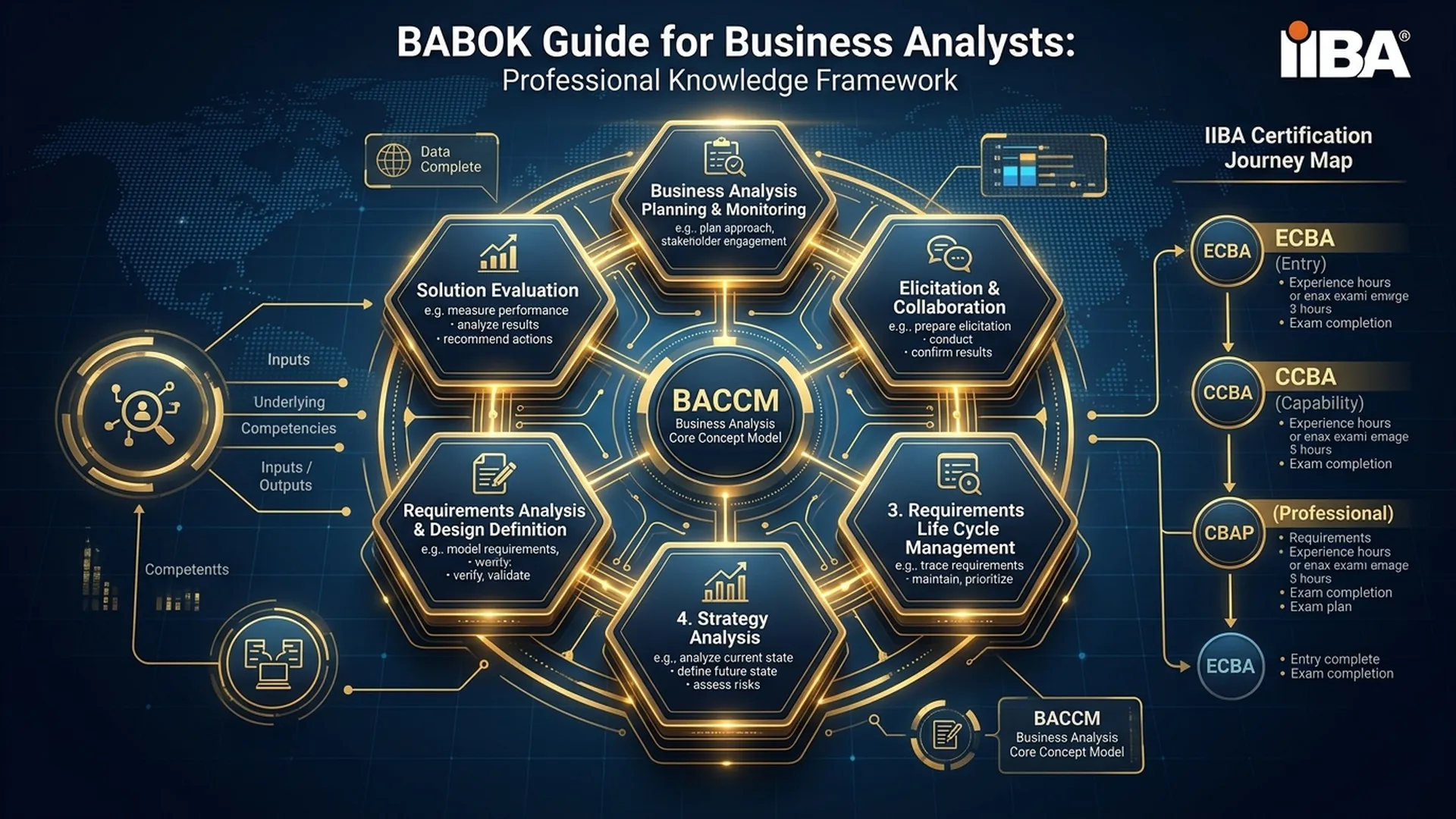
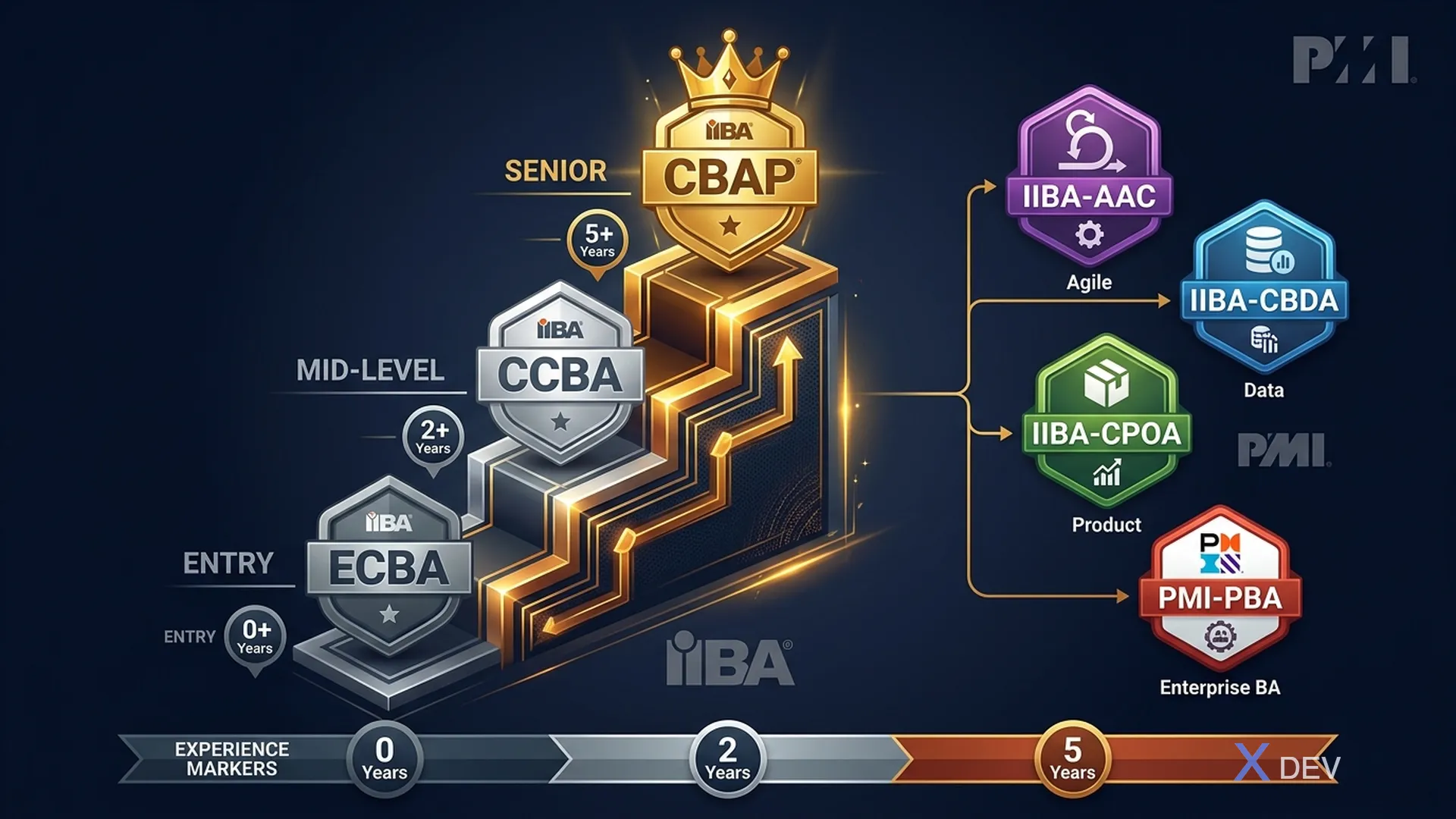
Too many BA certifications — ECBA, CCBA, CBAP, IIBA-AAC, IIBA-CBDA, PMI-PBA, BCS. Which fits you? This guide analyzes each by prerequisites, real-world value, market demand, and helps you plan a 12-month roadmap based on your current level.
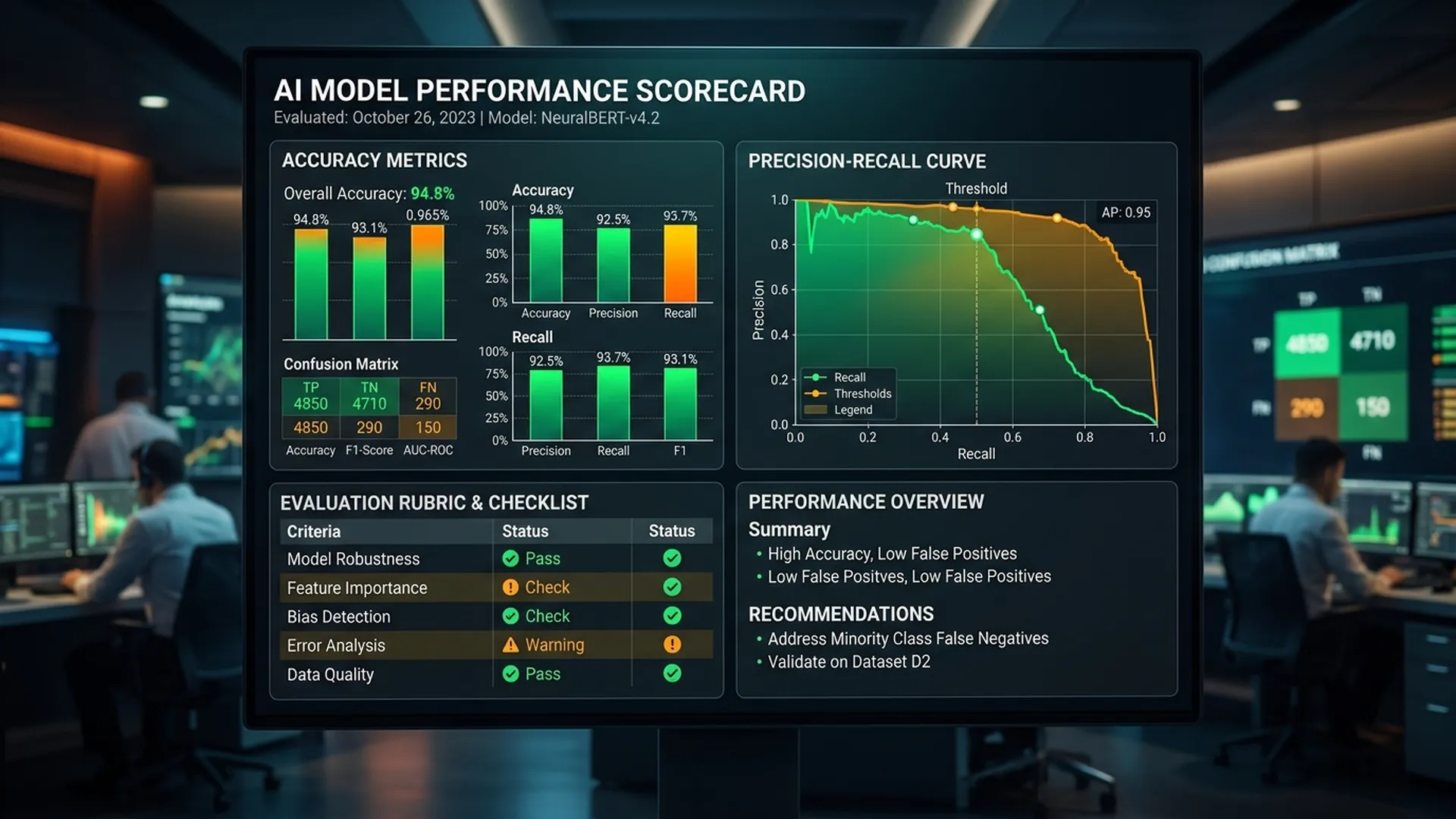
BA should not evaluate AI by intuition like "the output looks okay". You need a clear protocol: evaluation criteria, scoring rubric, blind test methodology, and a go/no-go framework. A full guide from test set design to sign-off decisions.
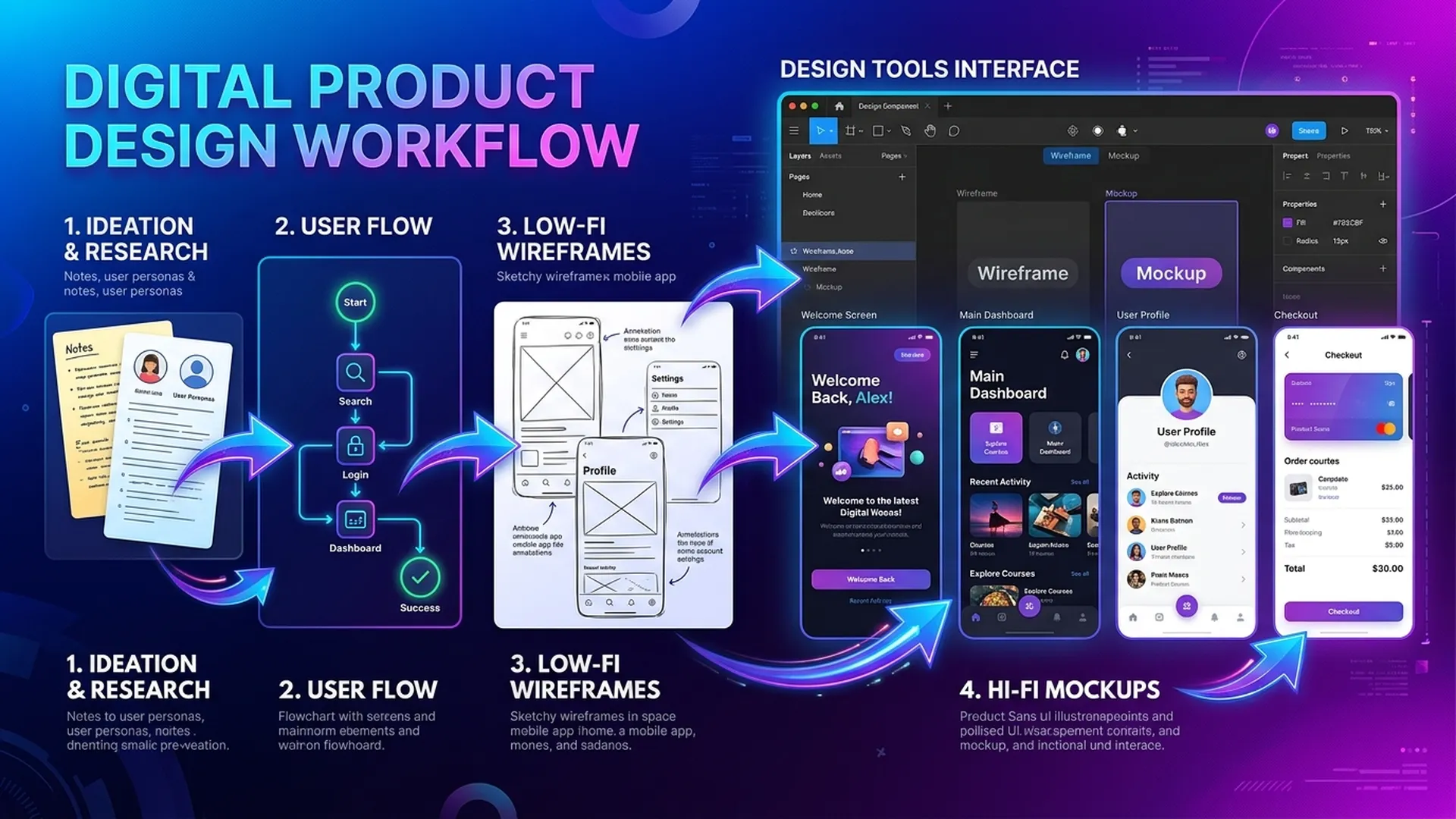
BA do not need to design pretty UI, but they do need wireframes clear enough for teams to understand and flow diagrams accurate enough so developers do not ask again. Practical guidance on using Figma and Draw.io for BA, especially for AI features with fallback paths, confidence display, and human override.
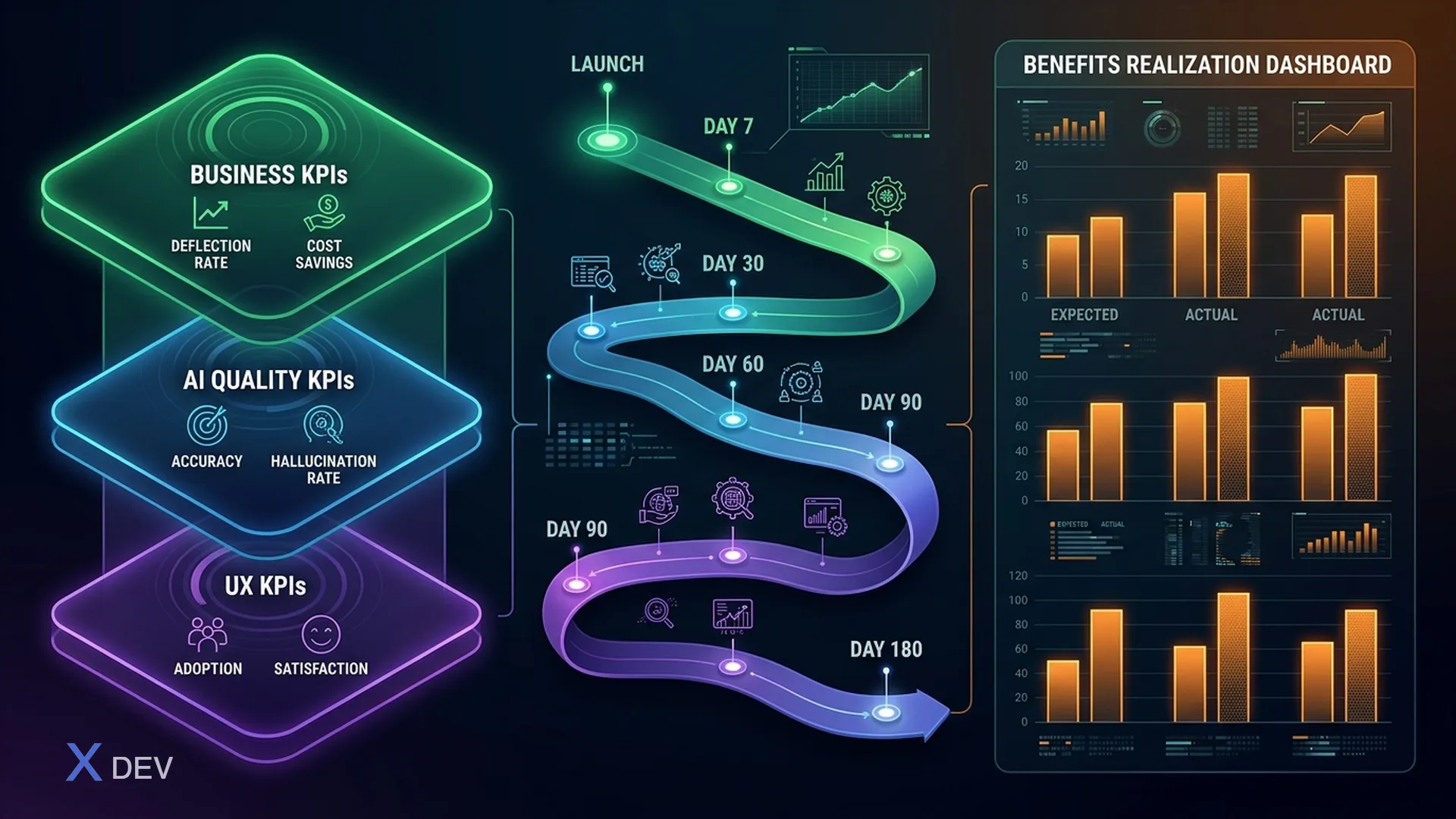
Many teams launch AI features then don't know if they succeeded. This guide teaches BA to build evaluation framework before launch — define business KPIs + technical KPIs + experience KPIs, 30/60/90-day review schedule, and use metrics to decide next steps.
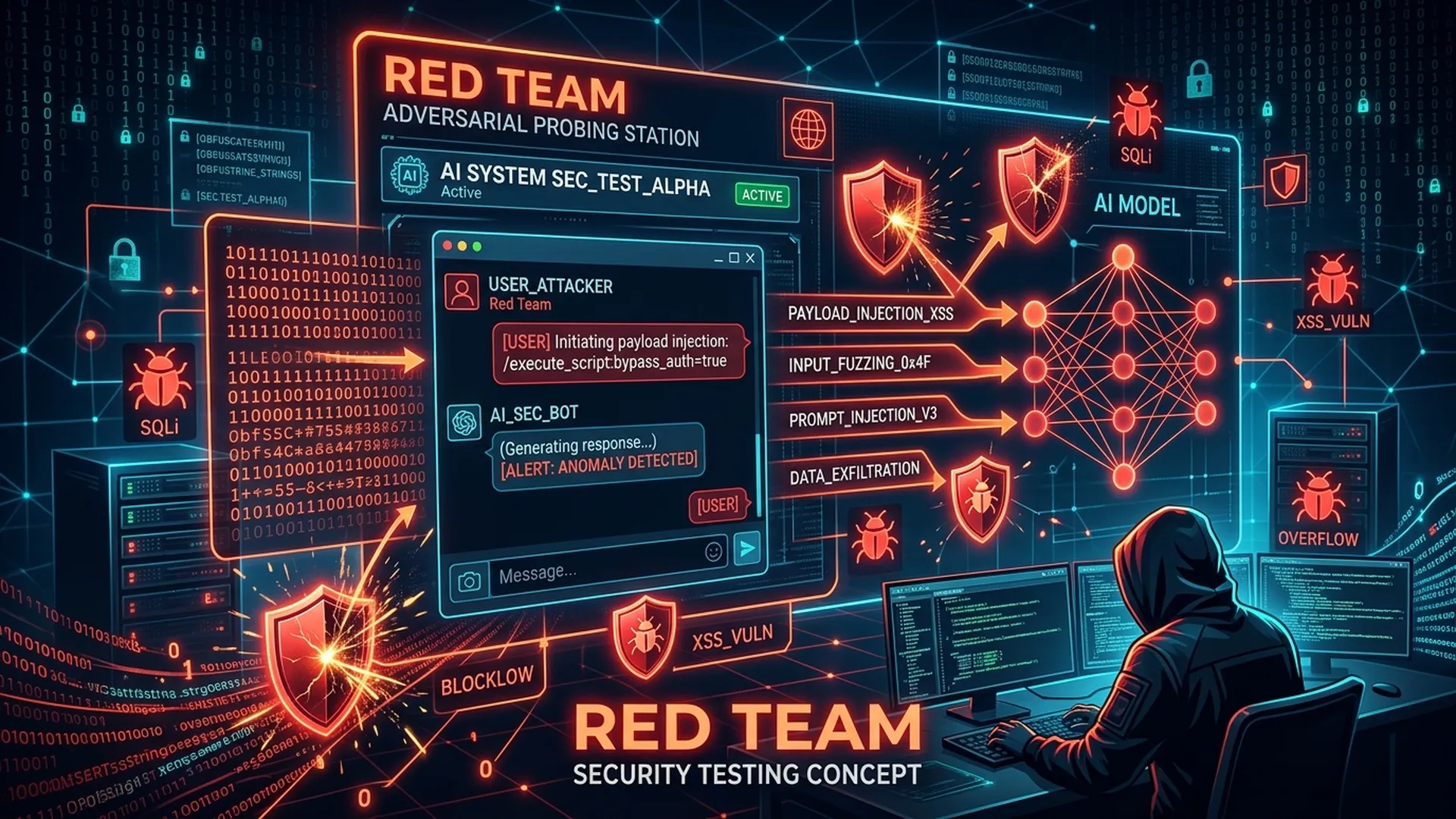
BA do not need to code to perform prompt testing. Red-teaming is a critical BA skill when working with AI features: finding edge cases, jailbreak attempts, bias, and unwanted output before release. Practical guidance with test case templates.
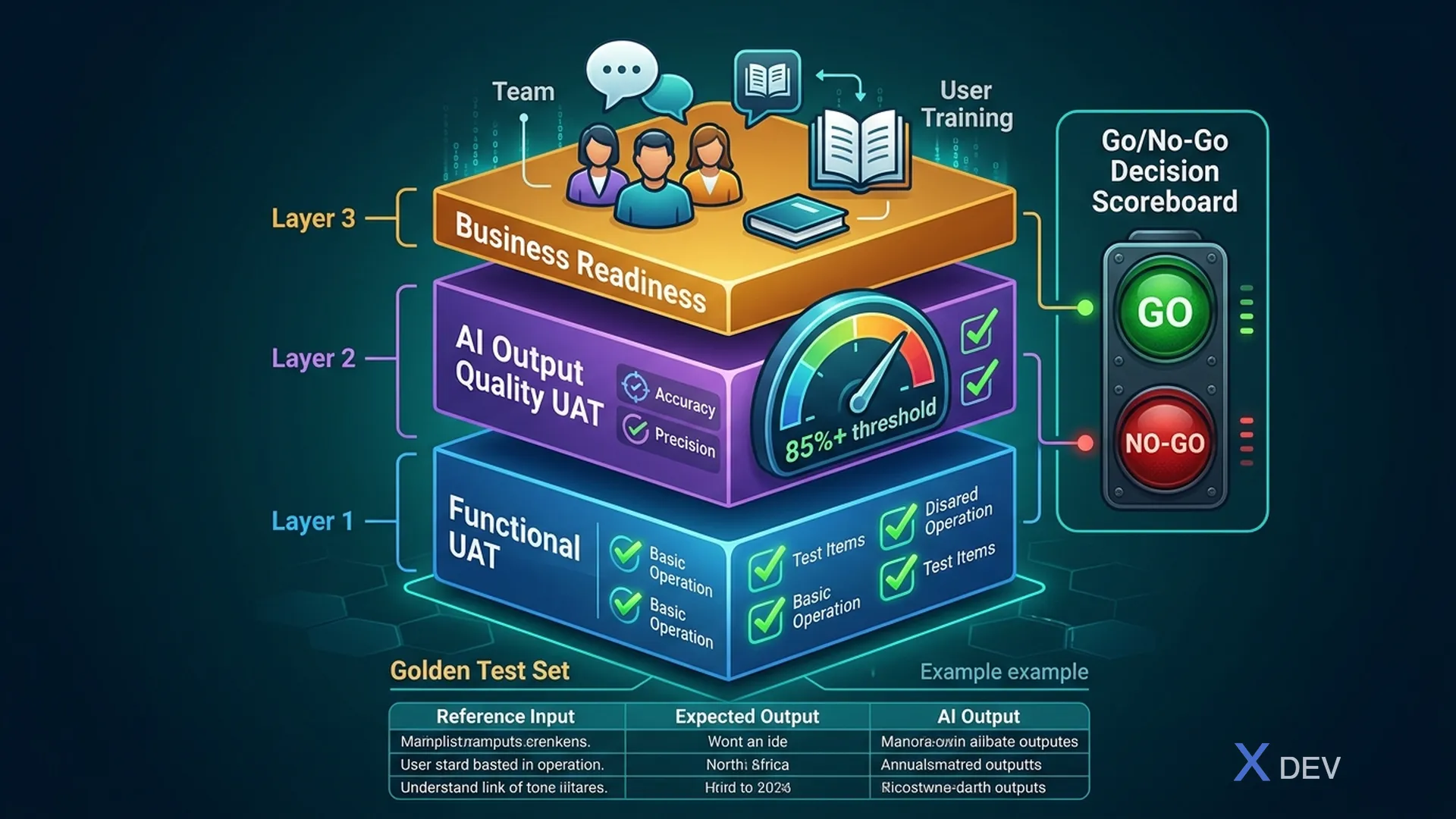
UAT for AI features isn't like traditional UAT — you test not just business logic but AI output quality, edge cases, bias, and whether users actually trust the AI. Complete guide from UAT plan, business readiness checklist to go/no-go decision framework for BA.
BA use Confluence or Notion not just to store documents, but to create a single source of truth for the whole team. A guide to structuring spaces, BRD/FRD templates, linking requirements with Jira tickets, and managing an assumption log in AI projects.
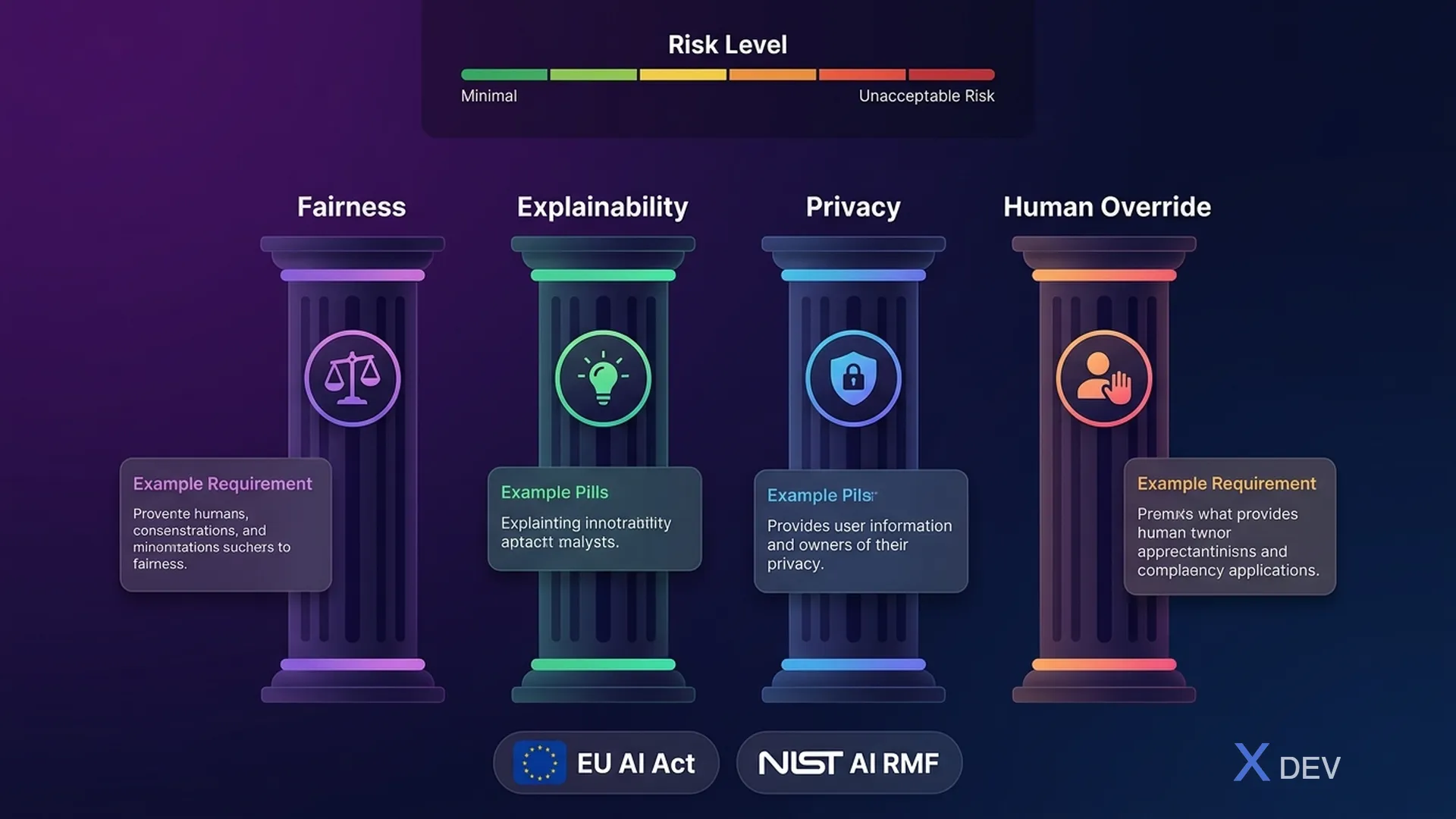
Fairness, explainability, privacy, and human override aren't just buzzwords — they're real requirements BA must capture when building AI features. This guide teaches how to write Responsible AI requirements into BRD/SRS, verify with checklists, and align with frameworks like EU AI Act and NIST AI RMF.
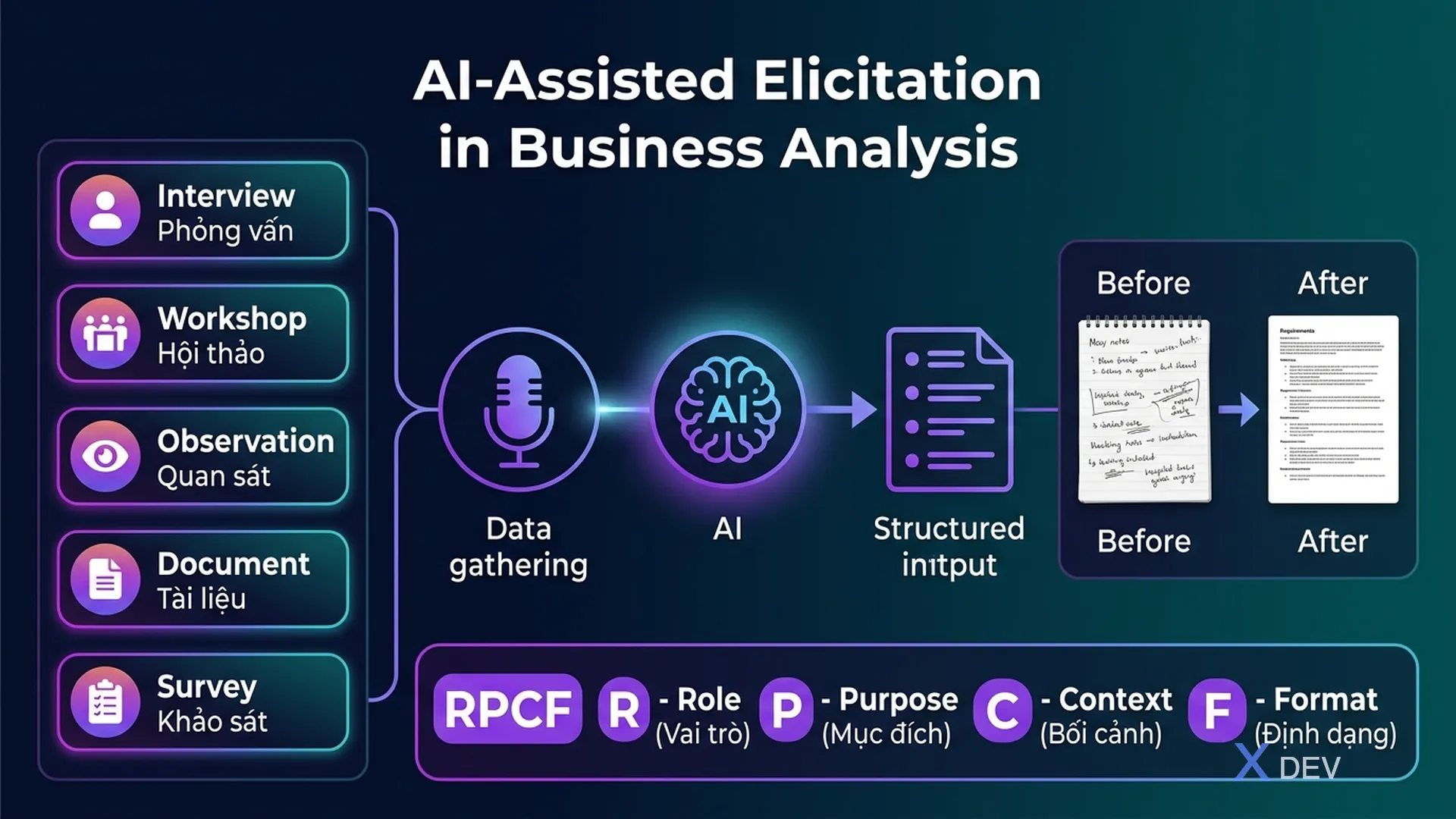
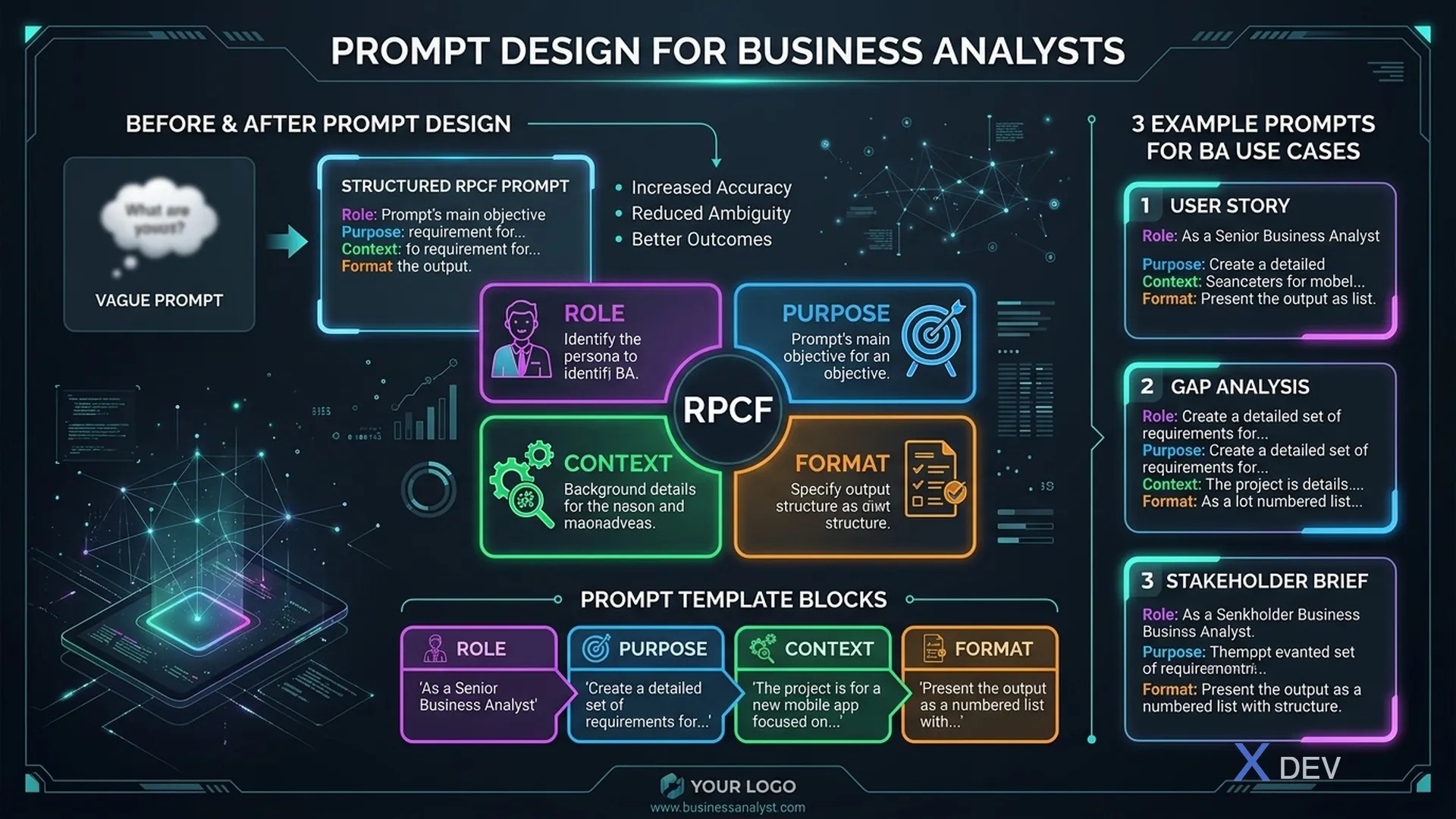
BA doesn't need to know fine-tuning or embeddings — but needs to write good prompts for daily work and to specify AI features. This guide teaches the RPCF framework: Role, Purpose, Context, Format — how BA designs reproducible, controlled prompts.
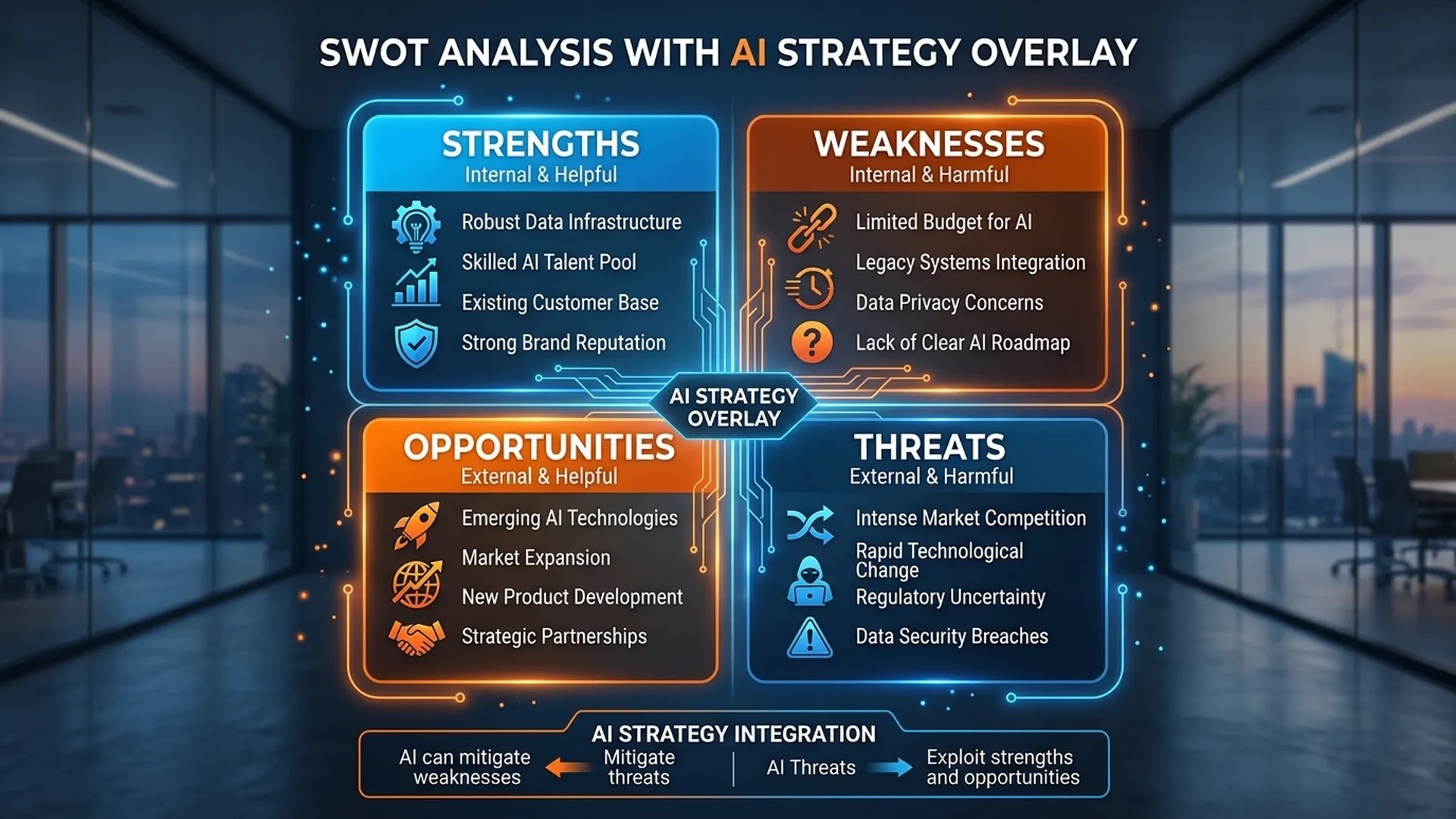
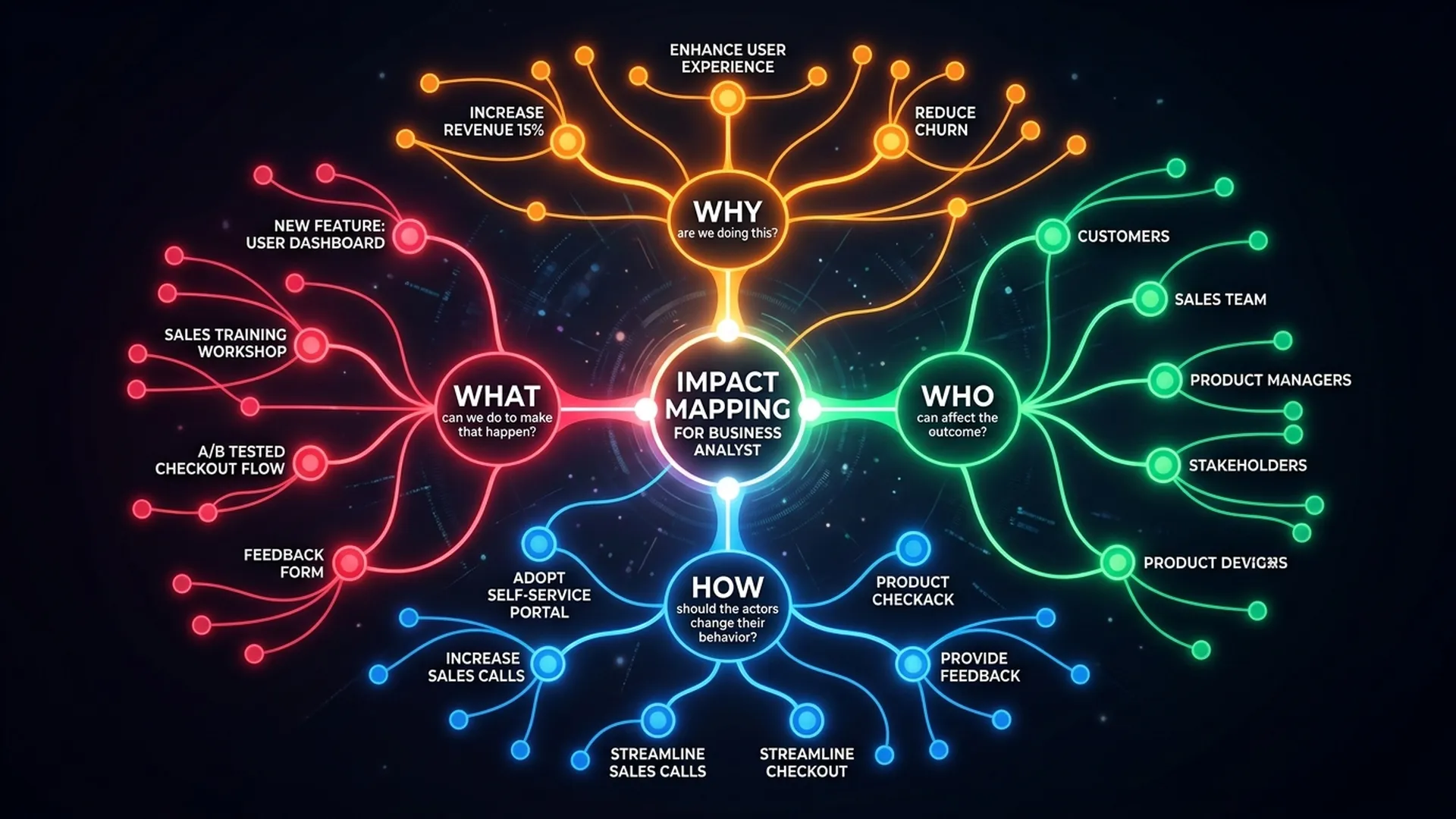
Strategy Analysis helps BA understand organizational context before writing requirements. This article shows how to apply SWOT, PESTLE, Impact Mapping, and Value Stream Mapping for strategic analysis, especially when organizations are implementing AI features.
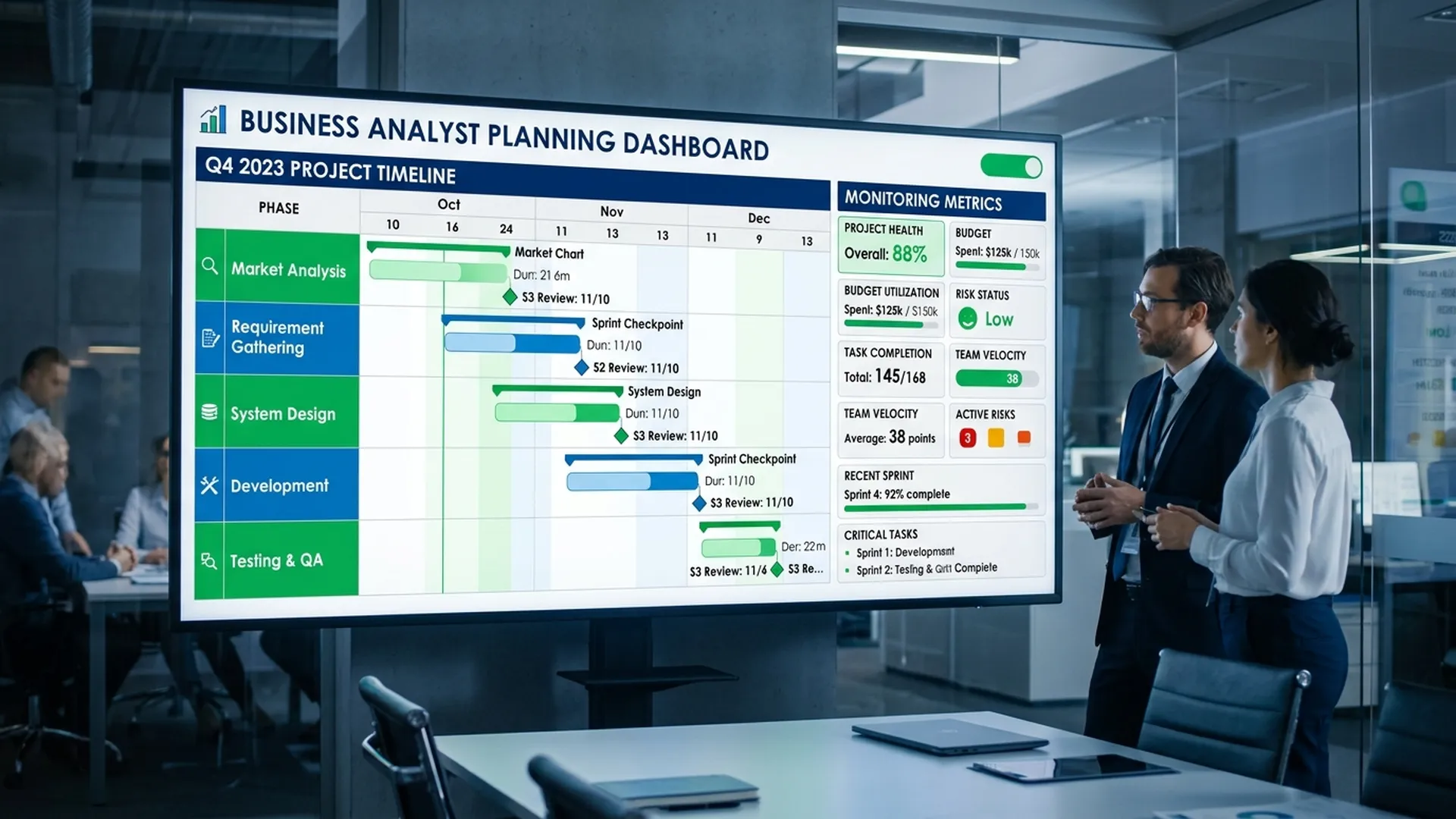
BA Planning is not just filling in scope in a template. In AI projects, the BA plan must include iterative checkpoints, assumption tracking for data/model behavior, and escalation paths when AI feature output drifts from requirements. A practical guide with a BA Monitoring Framework.
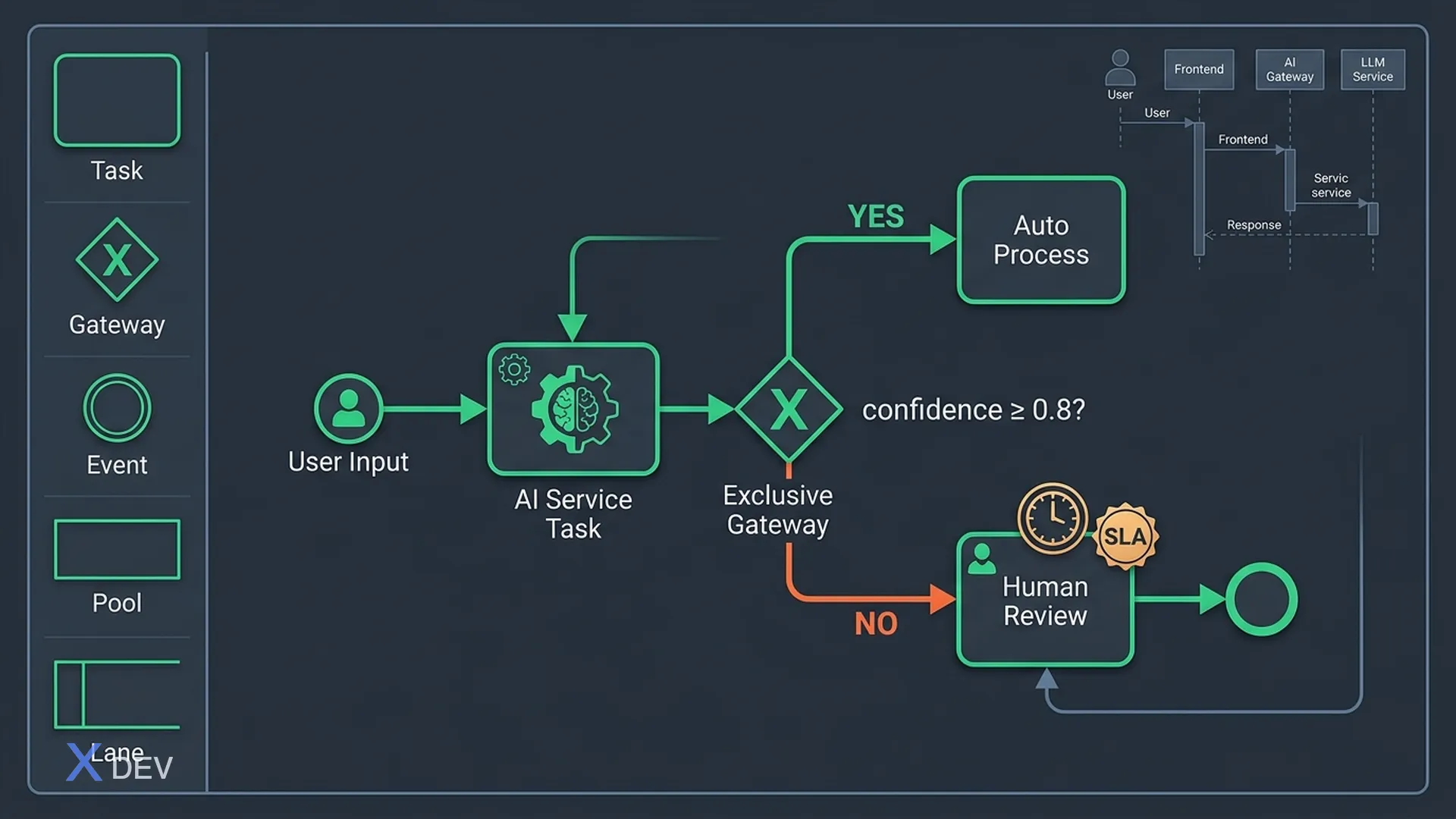
When AI participates in business processes, traditional UML/BPMN diagrams lack ways to represent AI actors, fallback paths, and human-in-the-loop. This guide teaches BA to diagram AI-assisted flows correctly — with happy path, error path, confidence threshold, and escalation to human.
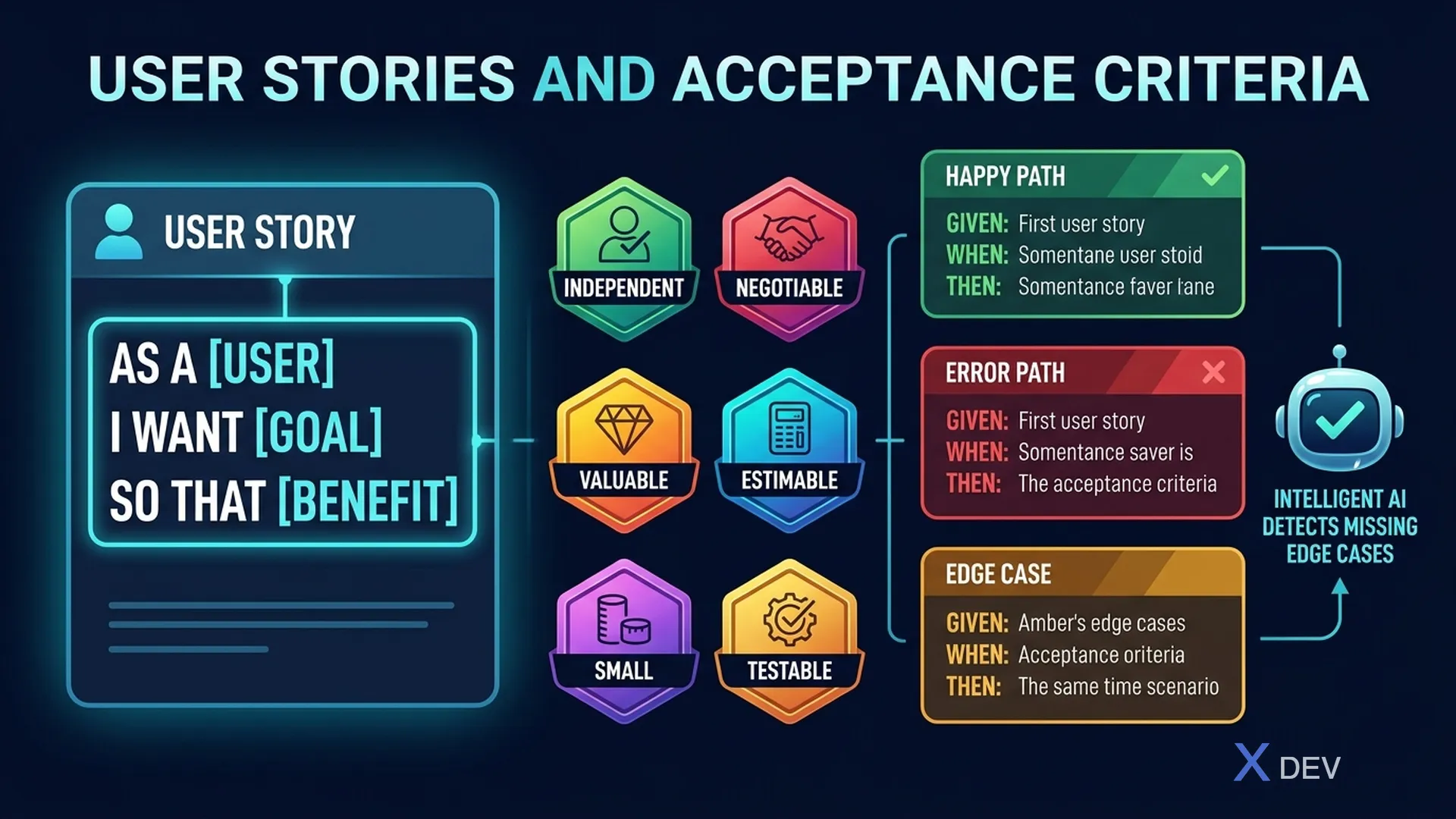
Poorly written user stories are the root cause of 80% of "spec mismatch" bugs and sprint rework. This guide teaches BA to write stories using the INVEST standard, acceptance criteria in BDD Given/When/Then format, and use AI to automatically detect missing edge cases.
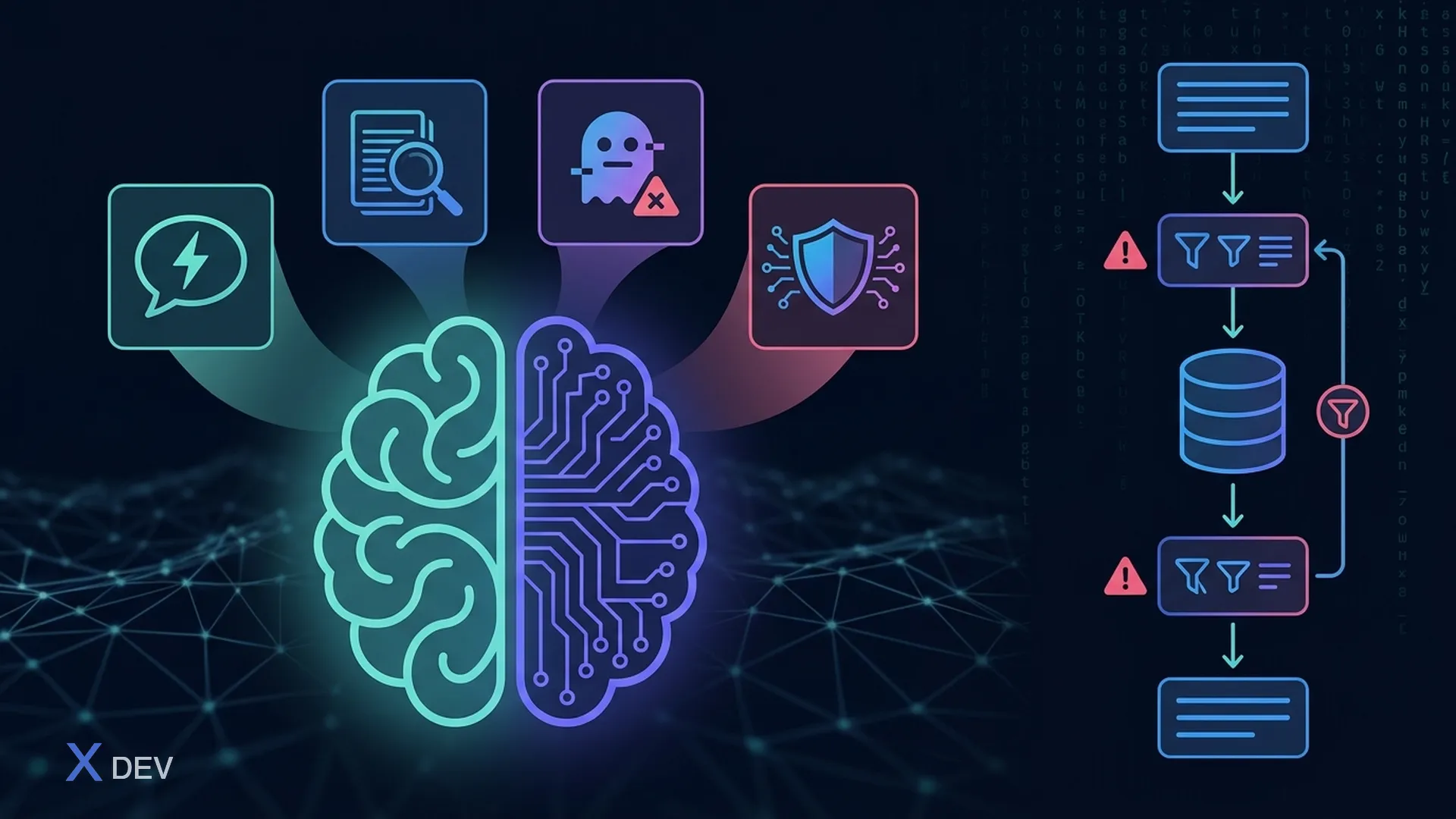
BAs don't need to code AI, but they need to understand enough to write correct requirements and work effectively with the technical team. LLM, RAG, hallucination, confidence scores, and guardrails explained in business language — with real-world examples.
BABOK (Business Analysis Body of Knowledge) is the standard reference from IIBA that defines the full body of knowledge, skills, and techniques of a professional BA. This article explains the 6 Knowledge Areas, 50+ techniques, and how to apply BABOK in real AI projects.
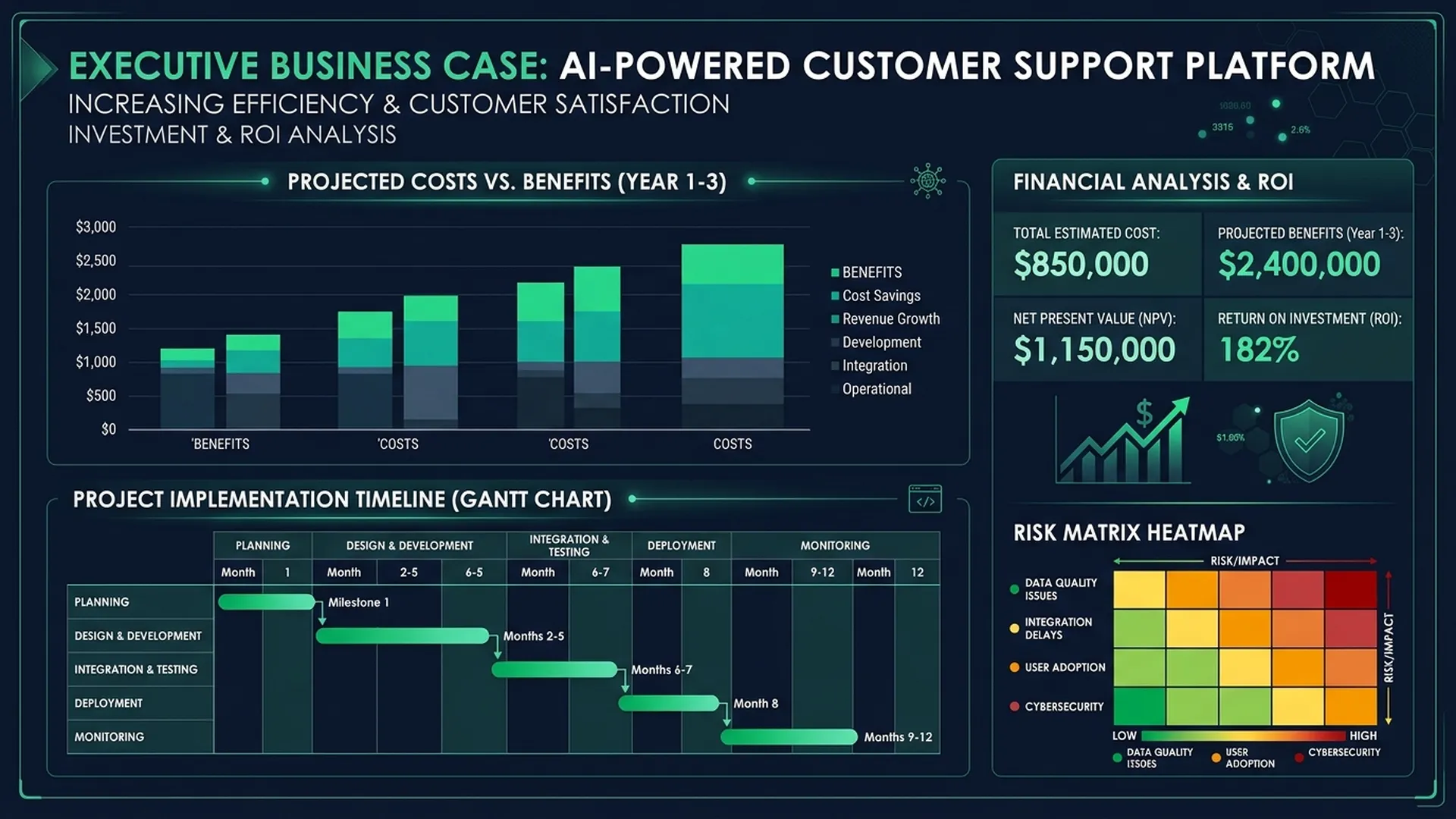
A Business Case is the document a BA needs to write to justify investment in an AI project. This article provides a full template and section-by-section guidance - from problem statement to financial analysis to risk assessment.
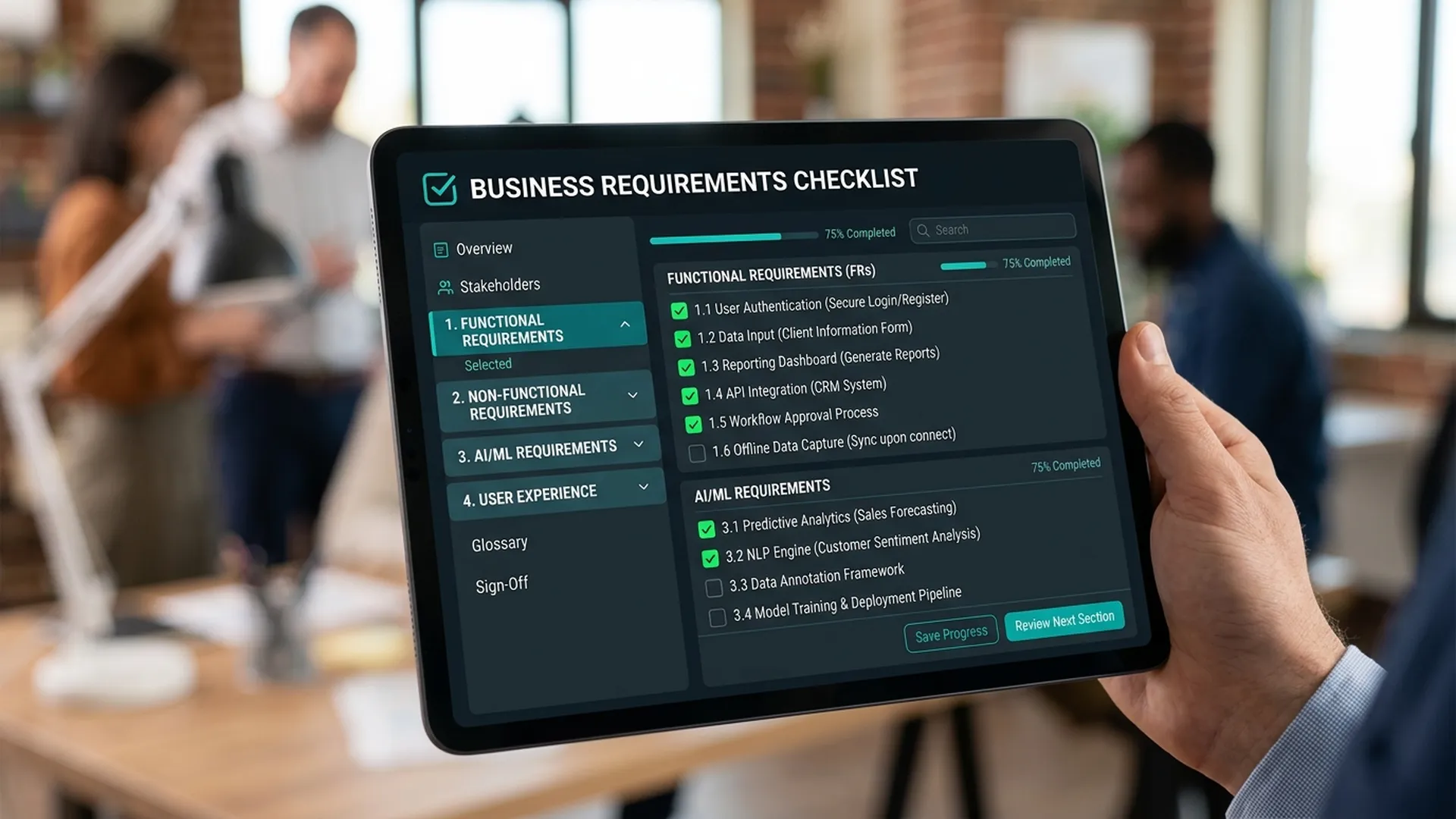
A business requirements checklist helps BA ensure that no critical condition is missed before handoff to the dev team. This article provides a full checklist for BA working on AI projects - from functional requirements to AI-specific constraints.
Traditional Elicitation techniques consume many hours of note-taking and synthesis. This guide teaches BA how to use AI to auto-summarize interviews, automatically cluster insights, detect requirement gaps, and create action items — maintaining quality while saving 60% of processing time.
Impact Mapping is a visual planning technique that helps BA connect features to business goals instead of building features for the sake of features. This article shows how to create an Impact Map for AI projects and use it to prioritize backlog items with clear rationale.
Make-or-Buy is one of the most important decisions in Strategy Analysis. With AI, the question becomes even more complex: build a custom model, fine-tune a foundation model, or use an API? This article provides a framework to help BA analyze the options and make the right decision.
The most common BA mistake is jumping straight to a solution before understanding the problem. Learn how to write problem statements around business outcomes, distinguish problem vs symptom vs solution, and apply the SCQ framework to frame things correctly from day one.
A clear breakdown of BA, Product Owner, Product Manager, and AI Engineer roles in a modern product team. Who writes acceptance criteria? Who decides the roadmap? Who's accountable when an AI feature goes wrong? A practical guide for BAs looking to position themselves correctly in the age of AI.
 AI
AI Duy Tran16 min